TL;DR
Most trail running foot problems trace back to friction, moisture, and repetitive load. Blisters, chafing, plantar fasciitis, and athlete’s foot respond best to early prevention, fast symptom control, and smart return to running.
Trail running punishes feet in predictable ways. Technical terrain increases shear forces, sweat traps moisture, and grit turns small rub points into skin breakdown. Research also suggests foot blisters rank among the most common injuries in runners and hikers.
What causes most trail running foot problems?
Most trail running foot problems come from repetitive shear, trapped moisture, and cumulative tissue load inside footwear. Foot friction blisters form from repetitive shear deformation rather than “surface rubbing” alone.
Terrain and training amplify those drivers.
- Downhill impact increases toe-box pressure and toenail trauma.
- Wet socks soften skin and raise blister and fungal risk.
- Tight calves and limited ankle dorsiflexion raise plantar fascia strain.
A prevention plan gets easier once blisters get handled first.
How can trail runners prevent blisters?
Blister prevention works best by reducing shear, controlling moisture, and removing grit early. Reports summarized in medical literature place runner blister experience across a wide range (roughly 16% to 76%), which highlights how common the problem is in real training.
Use a simple checklist.
- Choose proper shoe volume (secure midfoot, roomy toe box).
- Lock heel fit with lacing to reduce foot slide on climbs and descents.
- Trim toenails straight and short to reduce nail pressure and edge trauma.
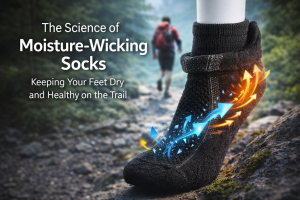
- Use moisture-wicking socks and swap pairs on long, wet runs.
- Apply lubricant or barrier on known hot spots before starting.
- Tape hot spots early (before a fluid-filled blister forms).
- Use gaiters on dusty or sandy trails to reduce grit entry.
- Stop and “de-grit” fast (shake out shoes, wipe skin, change socks).
Early blister care matters once the skin barrier gets compromised.
What is the safest way to treat trail running blisters?
Most friction blisters heal with protection, cleanliness, and reduced pressure. Many blisters heal in about a week, and hydrocolloid dressings can reduce pain while supporting healing.
Use treatment steps that preserve intact skin.
How does treatment differ for intact blisters vs. torn blisters?
An intact blister roof acts as a natural dressing, so protection often beats puncturing. The NHS explicitly advises against bursting a blister and recommends keeping it clean and covered.
- Intact blister
- Clean gently with soap and water.
- Cover with a padded dressing or hydrocolloid dressing.
- Offload pressure with donut padding or moleskin.
- Clean gently with soap and water.
- Torn blister
- Wash hands first.
- Rinse gently, then let fluid drain.
- Leave remaining skin in place when possible.
- Cover with a nonstick dressing and padding.
- Wash hands first.
Next, chafing and toe-web irritation often show up during longer efforts.
How can trail runners prevent chafing on feet and toes?
Foot chafing prevention relies on dryness, friction reduction, and seam control. Cleveland Clinic notes that moisture and friction drive chafing, and thin petroleum jelly can reduce friction and irritation.
Apply practical controls.
- Dry feet fully, especially between toes, after washing.
- Use anti-chafe barrier (petrolatum or zinc oxide) on rub zones.
- Avoid cotton socks on long or wet runs (slow drying raises skin softening).
- Reduce seam pressure by matching sock size and shoe width to foot shape.
Treatment gets straightforward once the skin gets calm and dry again.
What treatments help foot chafing and toe-web irritation?
Chafed skin improves fastest after friction stops and moisture drops. Cleveland Clinic lists basic self-care as cleaning with mild soap and water, drying well, and using a thin layer of petroleum jelly.
Toe-web “rawness” often overlaps with intertrigo (friction + heat + moisture), and secondary fungal or bacterial overgrowth can follow.
Use a tiered approach.
- Mild chafing
- Clean gently.
- Dry thoroughly.
- Apply barrier ointment.
- Cover high-friction spots with a soft dressing.
- Clean gently.
- Persistent toe-web rash, odor, or maceration
- Dry toe webs frequently.
- Consider antifungal care if athlete’s foot signs appear.
- Dry toe webs frequently.
Plantar fasciitis shifts the problem from skin to connective tissue load.
What is plantar fasciitis in trail runners?
Plantar fasciitis is heel and arch pain linked to degenerative irritation at the plantar fascia origin. StatPearls describes it as a common cause of heel pain and estimates occurrence around 10% in the general population, with notable representation among runner-related injuries.
AAOS describes the plantar fascia as a long ligament that supports the arch and connects heel to forefoot.
Common trail-running triggers include:
- sudden mileage or vert increase
- frequent steep downhills
- long technical descents with braking
- tight calves plus limited ankle dorsiflexion
Prevention focuses on load management and tissue capacity.
How can trail runners prevent plantar fasciitis flare-ups?
Plantar fasciitis prevention centers on gradual load increases, calf flexibility, and supportive footwear strategies. AAOS highlights stretching (calf and plantar fascia) and supportive shoes/orthotics as key conservative measures.
Use trail-specific tactics.
- Increase weekly volume gradually, especially vert and downhill time.
- Stretch calves and plantar fascia daily, with extra focus before morning steps.
- Use supportive footwear or inserts during high-load blocks.
- Rotate running surfaces to reduce repetitive load patterns.
Treatment gets more effective when early morning pain patterns get addressed directly.
What treatments work for plantar fasciitis?
Most plantar fasciitis improves with conservative care such as rest from aggravating load, stretching, and targeted support. AAOS reports that more than 90% of patients improve within about 10 months using simple treatment methods.
Use a structured plan.
- Relative rest and activity modification (reduce downhill and hard impact first).
- Stretching program for calves and plantar fascia.
- Ice after runs for symptom control.
- Night splints for morning heel pain, listed as very effective by AAOS.
- Physical therapy and taping for support and mechanics.
Fungal issues often run in parallel with sweaty footwear and shared environments.
How can trail runners prevent athlete’s foot?
Athlete’s foot prevention depends on dry toe webs, clean socks, and shoe drying. CDC foot hygiene guidance emphasizes keeping feet clean and dry and changing shoes and socks regularly to help prevent or control tinea pedis.
Add athlete-focused habits.
- Wash feet daily and dry between toes.
- Change wet socks quickly during long runs and post-run.
- Rotate shoes to allow full drying between sessions.
- Wear footwear in communal showers after races or gyms.
Treatment matters because toe-web fungus can spread and crack skin.
What treatments work for athlete’s foot in runners?
Most athlete’s foot responds to topical antifungals plus strict drying and hygiene. A large review notes common causative dermatophytes (including Trichophyton rubrum and T. interdigitale) and describes topical antifungal therapy as mainstay care for localized disease.
Mayo Clinic also lists several over-the-counter options and notes terbinafine as highly effective.
Use a clear sequence.
- Dry toe webs thoroughly before applying medication.
- Apply topical antifungal as directed for the full course.
- Disinfect or rotate footwear to reduce reinfection loops.
- Separate towels and socks to reduce spread within a household.
Other foot problems also appear often on steep, technical trails.
What other foot issues are common in trail running?
Several trail running foot issues stem from pressure, repetitive impact, and prolonged wet exposure. A quick scan of common patterns helps narrow the cause faster.
What causes “runner’s toe” and black toenails?
Runner’s toe comes from repeated pressure and shear against the shoe, leading to bleeding under the nail (subungual hematoma). Cleveland Clinic describes friction and impact as the drivers, especially when the toe hits the shoe front.
Prevention actions:
- Increase toe-box space and reduce downhill sliding with lacing.
- Cut nails short to reduce contact and leverage.
What causes ingrown toenails in runners?
Ingrown toenails happen when a nail edge grows into skin, often after crowding, cutting errors, or toe trauma. Mayo Clinic lists tight footwear, nail trimming patterns, and injury among common causes.
Prevention actions:
- Trim straight across and avoid rounding corners.
- Avoid toe crowding with proper shoe width and length.
What causes calluses and corns on trails?
Calluses and corns form as skin thickens to protect against repeated friction and pressure. Mayo Clinic links them directly to repetitive rubbing and footwear pressure patterns.
Trail-specific controls:
- Fix the rubbing source (shoe fit, sock seams, lacing tension).
- Use protective pads over high-friction points.
What is trench foot risk on wet, cold trails?
Trench foot occurs after feet stay wet for long periods, leading to pain, swelling, and heavy sensation. CDC guidance emphasizes dry socks, clean and dry feet, and medical attention when suspected.
What signs suggest a stress fracture instead of “just soreness”?
Stress fractures cause gradually worsening pain with weightbearing and often include swelling and focal tenderness. AAOS notes metatarsals as common sites in the foot, with pain that worsens during weightbearing activity.
Red flags lead directly into clinical evaluation triggers.
When is medical care important for trail running foot problems?
Medical evaluation matters when infection signs, severe pain, or persistent symptoms appear. Examples include hot skin with pus in a blister, spreading redness, or recurrent very painful blisters.
Seek prompt care for any of the following.
- Possible infected blister (heat, pus, increasing redness, worsening pain).
- Diabetes or poor circulation plus any foot wound (higher complication risk).
- Suspected stress fracture (pain that persists, swelling, night pain).
- Suspected trench foot after prolonged wet exposure.
A compact kit supports early action before small problems escalate.
What trail running foot-care kit fits in a small pack?
A foot-care kit stays lightweight when it targets friction, moisture, and basic wound coverage. The goal is fast hot-spot control and clean protection.
Pack items that cover common scenarios:
- Hydrocolloid blister dressings (multi-size).
- Leukotape or athletic tape (pre-cut strips on wax paper).
- Nonstick pads + small roll gauze for torn blisters.
- Alcohol-free cleansing wipes (skin-friendly cleaning).
- Barrier ointment (petrolatum or zinc oxide) for chafing control.
- Spare socks in a sealed bag.
- Tiny nail clipper for trail nail maintenance (before long events).
A simple long-term rule keeps the whole system aligned: reduce grit, reduce friction, reduce downtime. “No Grit. No Quit.”
FAQ
What causes blisters more on steep descents?
Downhill running increases foot slide and toe-box pressure, which raises repetitive shear events. Shoe fit and heel lock lacing reduce that slide and lower blister risk.
Do hydrocolloid blister dressings help on trail runs?
Hydrocolloid dressings protect blisters and can reduce pain while supporting healing. NHS guidance also highlights hydrocolloid dressings as a helpful option for blister care.
How can athlete’s foot be reduced during a high-sweat training block?
Dry toe webs, frequent sock changes, and shoe rotation reduce the warm, moist conditions fungi prefer. CDC and Mayo Clinic both emphasize hygiene and drying as key prevention steps.
What is the fastest first step when plantar fasciitis flares after a long run?
Load reduction plus calf/plantar fascia stretching often improves early symptoms and protects recovery. AAOS and Mayo Clinic both describe stretching and activity modification as core conservative care.
When does foot pain suggest a stress fracture instead of normal training soreness?
Persistent focal pain with swelling that worsens with weightbearing raises stress fracture concern. AAOS and Mayo Clinic describe gradual pain progression and swelling as common patterns.
References
- American Academy of Dermatology Association. (n.d.). How to prevent athlete’s foot.
- American Academy of Orthopaedic Surgeons. (n.d.). Plantar fasciitis and bone spurs.
- American Academy of Orthopaedic Surgeons. (n.d.). Stress fractures of the foot and ankle.
- Centers for Disease Control and Prevention. (2024, May 7). Healthy habits: Foot hygiene.
- Centers for Disease Control and Prevention. (2024, February 6). Preventing trench foot or immersion foot.
- Cleveland Clinic. (n.d.). Chafing: Causes, treatment & prevention.
- Cleveland Clinic. (2023, May 24). Damage control: What to know about runner’s toe.
- Leung, A. K. C., Barankin, B., Lam, J. M., Leong, K. F., & Hon, K. L. (2023). Tinea pedis: An updated review. Drugs in Context, 12, 2023-5-1.
- Mayo Clinic Staff. (2024, May 9). Corns and calluses: Symptoms and causes.
- Mayo Clinic Staff. (2025, April 30). Ingrown toenails: Symptoms and causes.
- Mayo Clinic Staff. (2026, January 6). Athlete’s foot: Symptoms and causes.
- National Health Service. (2023, November 22). Blisters.
- Rushton, A., et al. (2024). Friction blisters of the feet: A new paradigm to explain causation.
- Scheer, B. V., Reljic, D., & Murray, A. (2014). The enemy of the feet: Blisters in ultraendurance runners.