
Last Updated: August 24, 2026
Why Moisture-Wicking Socks Matter for Climbing
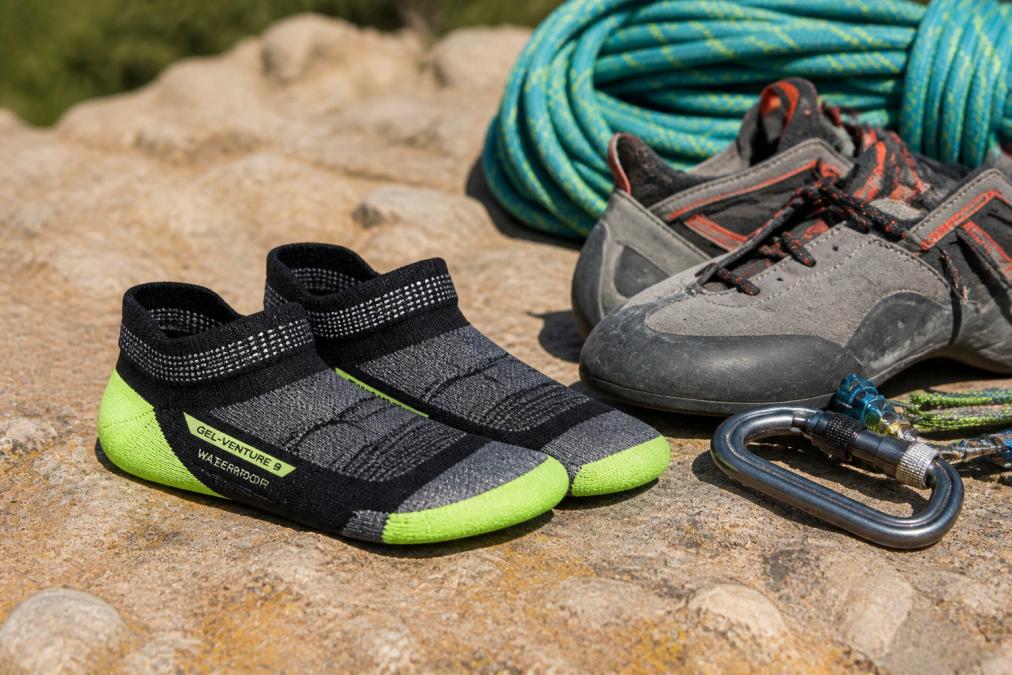
Moisture-wicking socks are essential for climbing safety and performance. Dry feet prevent blisters, fatigue, and loss of precision, while trapped moisture creates friction and compromises grip on small holds (peer-reviewed research). Standard socks absorb sweat against your skin; moisture-wicking socks pull it away to evaporate, maintaining the second-skin fit climbing requires (astm.org).
How to Choose Socks for Multi-Pitch Climbing
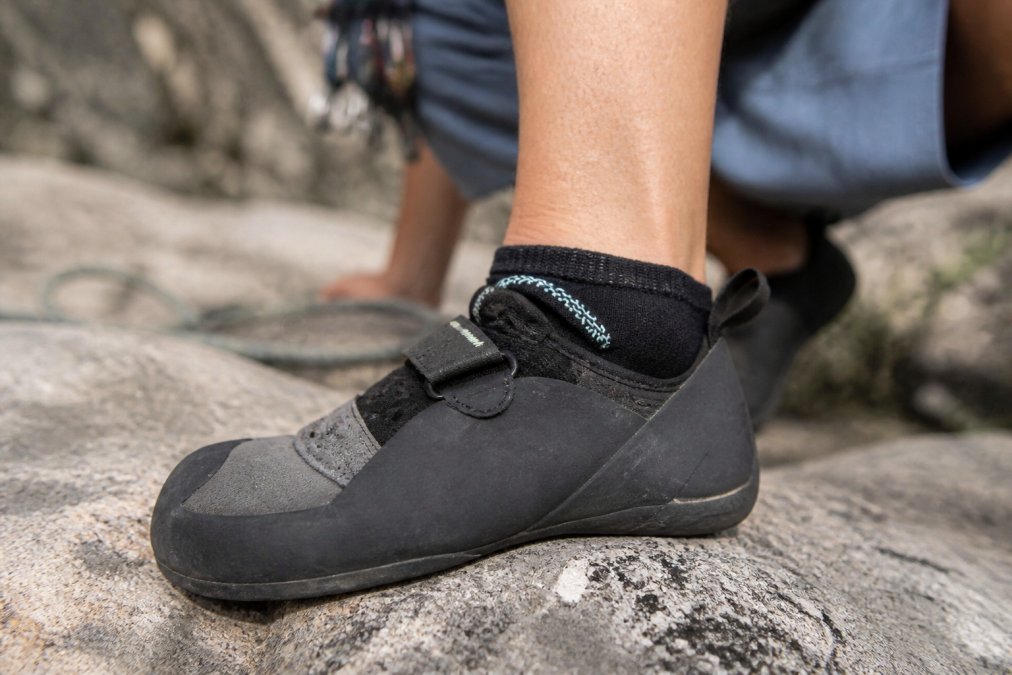
Choose socks by material performance, thickness, and fit precision. For multi-pitch climbing, select ultra-lightweight options with seamless toe construction to eliminate friction-causing blisters. A thin, snug sock that wicks moisture beats padded alternatives that dull rock feel. Look for reinforced heel and arch, and ensure the cuff sits low to avoid ankle collar pressure. RockResist's GEN1 Road & Trail Low Cut Athletic Socks use a patented polyurethane debris barrier that prevents dirt and sand from entering the shoe while reducing friction at the heel collar, a primary blister source during long climbing sessions.

Merino Wool vs Synthetic Climbing Socks: What Works Best
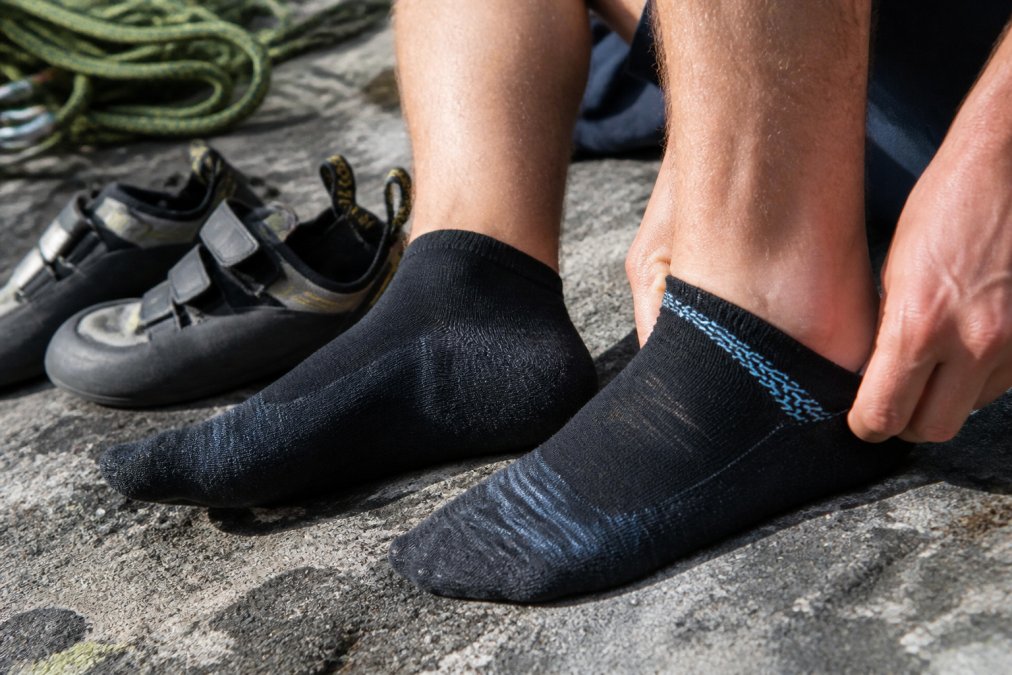
Merino wool naturally resists odor and regulates temperature, ideal for multi-day trips (peer-reviewed research). Synthetics dry faster in humid conditions and compress efficiently for a snug fit. For alpine and multi-pitch climbing, merino wool's thermal regulation wins; for sport climbing and bouldering, synthetics' quick-dry performance excels.
Foot comfort separates good climbing days from great ones. The best moisture-wicking socks keep your feet dry, prevent blisters, and deliver the precision feel you need on technical terrain. RockResist's GEN1 socks feature debris-shielding cuff technology and engineered moisture-management fibers tested on Colorado's toughest terrain. Add to cart and experience the difference performance socks make.
This article was written using GrandRanker