
Last Updated: August 25, 2026
Why Blister-Proof Hiking Socks Matter on the Trail
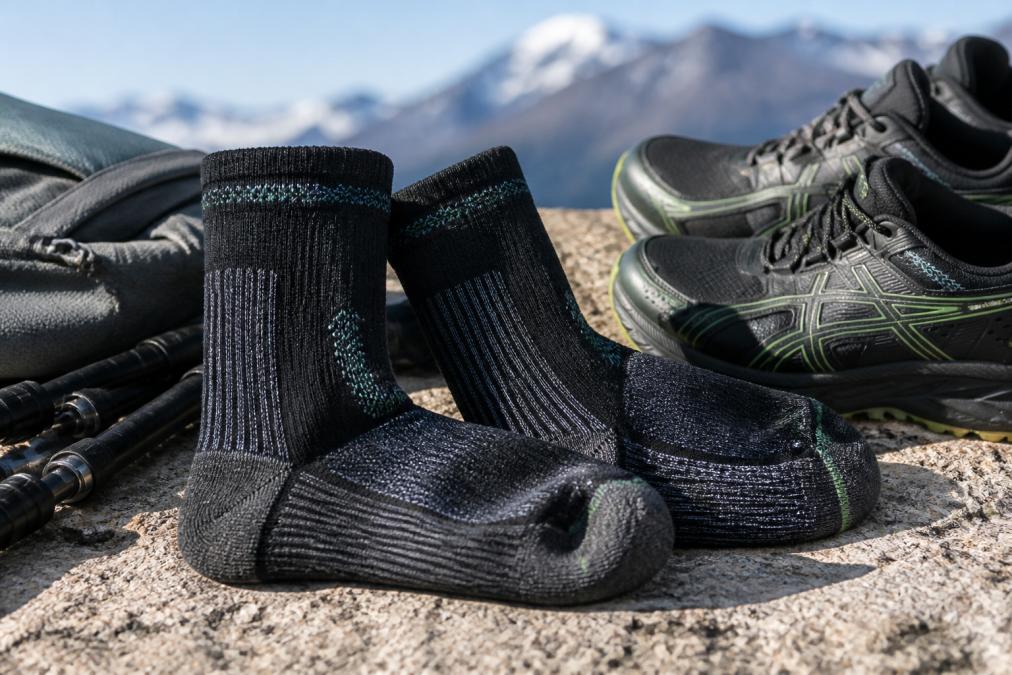
Blisters end hikes within hours through moisture, friction, and hot spots (peer-reviewed research). The right blister-proof hiking socks prevent them through moisture management, friction reduction, and debris protection.
How to Prevent Blisters Trail Running with the Right Sock
Friction between foot and sock creates heat and moisture; add trail debris and you've got an abrasion factory. Synthetic fibers like polypropylene and nylon dry faster than merino wool and maintain cushioning when saturated, making them ideal for long-distance trekking. Seamless toe construction eliminates pressure points where traditional seams create hot spots, while targeted cushioning in the heel and ball-of-foot absorbs shock from rocks and roots (peer-reviewed research).
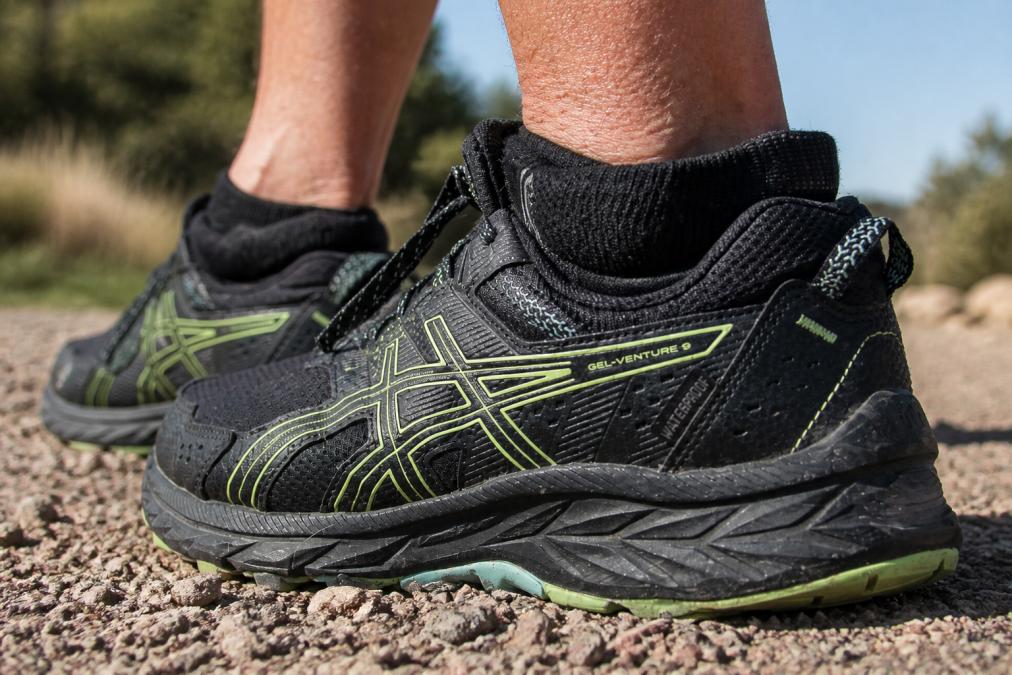
The RockResist GEN1 Road & Trail Low Cut Athletic Socks address all these factors with a patented polyurethane debris barrier at the heel collar.

Best Moisture-Wicking Hiking Socks and Materials That Work
Moisture-wicking fibers pull sweat away from your foot and release it to evaporate (astm.org). Synthetic fibers offer faster moisture transport and quicker drying than merino wool while maintaining structural integrity when wet. Mid-calf or crew-height socks provide better debris protection on technical terrain than low-cut options.
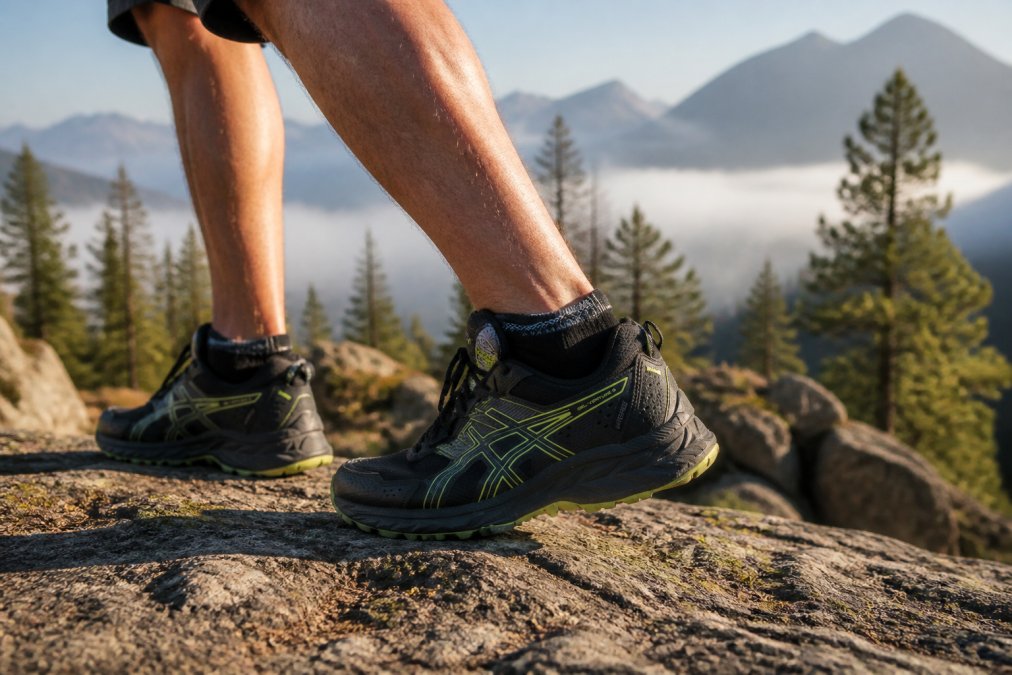
RockResist's sock bundle offers three pairs with free shipping at $58.48, 25% off regular pricing, delivering proven debris-blocking technology and moisture-management fibers at practical value.

The solution to blister-free hiking is the right sock matched to your terrain and activity level. RockResist's blister-proof hiking socks deliver proven debris protection through patented polyurethane barriers, engineered moisture-wicking, and reinforced seams. Add to cart and experience the difference grit-tested performance makes on the trail.
This article was written using GrandRanker