
Last Updated: August 28, 2026
Why Trail Runners Look for Swiftwick Alternatives
Trail runners need socks engineered for debris, friction, and moisture on technical terrain. High-performance socks succeed through three design choices: debris-blocking cuffs, moisture-wicking materials, and construction that withstands repeated abrasion on sharp rock. Moisture-wicking alone isn't enough, sand and gravel can still work into the shoe and cause blisters.
Best Trail Running Socks for Blisters: What Actually Works
Blister prevention starts with understanding trail-specific causes: friction, heat, and debris-induced pressure points (the American Academy of Dermatology). When gravel embeds between sock and skin, it creates a hotspot that turns into a blister within miles.
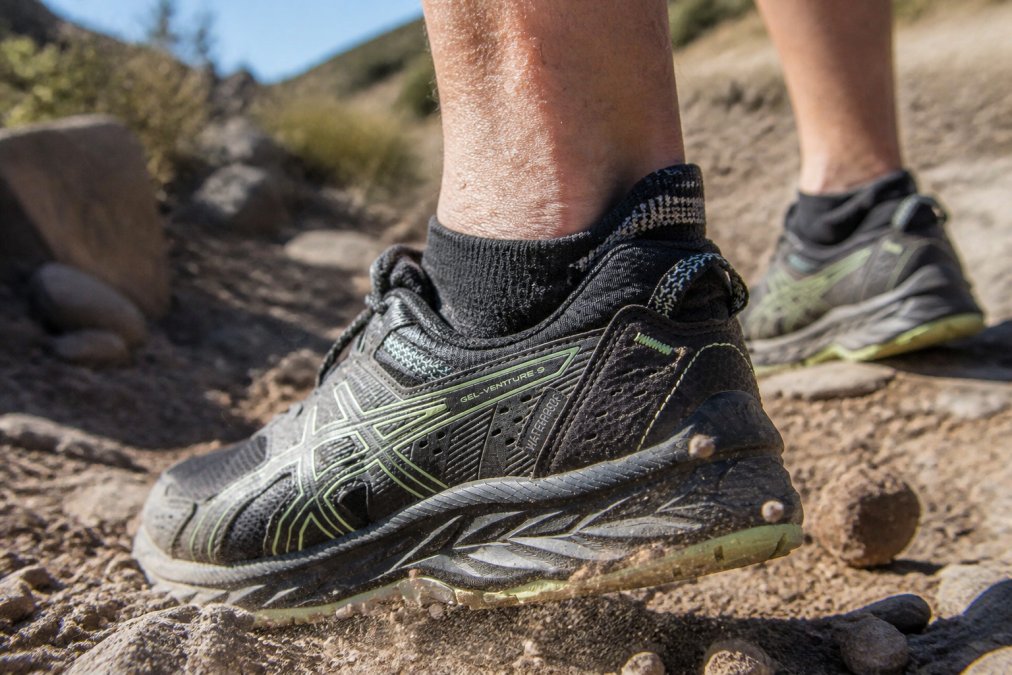
Effective socks combine seamless toe construction, compression that stabilizes your foot, and a physical debris barrier at the cuff. Synthetic fibers outperform merino wool for high-intensity trail running because they dry faster and maintain compression through multiple washes (peer-reviewed research).
RockResist GEN1 Road & Trail Low Cut Athletic Socks address this directly with a patented polyurethane debris barrier that shields against dirt, sand, and gravel. The two-configuration design adjusts to your boot style, with reinforced seams built for sustained abrasion at $25.99 per pair.

Synthetic vs Merino Wool Running Socks: Which Wins on Trail
Merino wool offers superior temperature regulation and natural antimicrobial properties, but costs more, pills easily on abrasive rock, and dries slowly (peer-reviewed research).
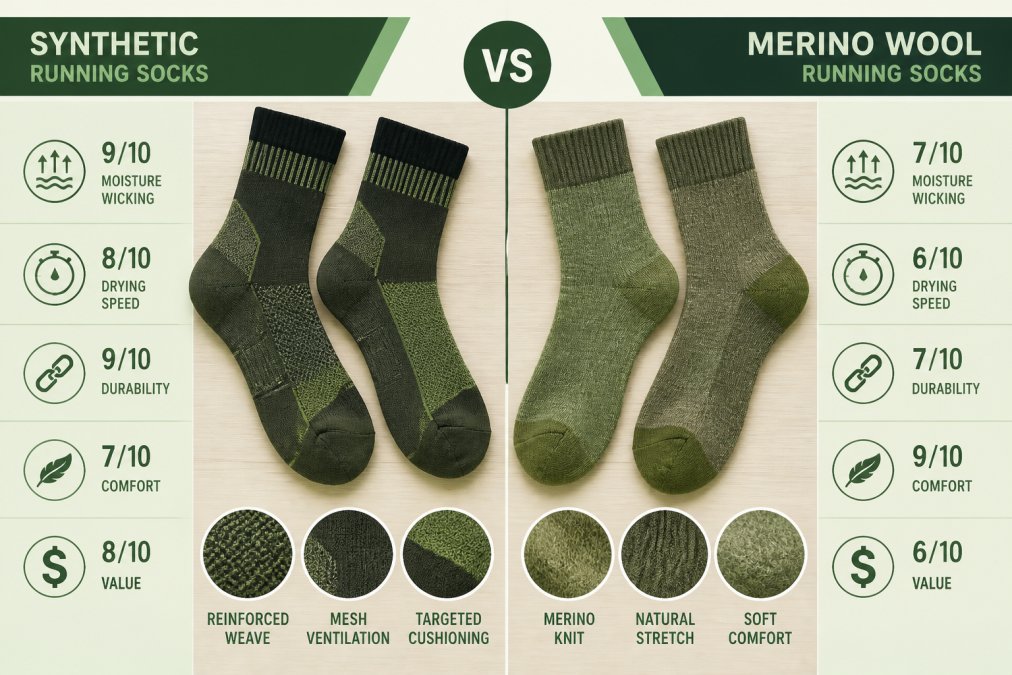
Synthetic fibers deliver faster moisture-wicking, superior durability under abrasion, and better compression retention. For trail running where debris protection matters, synthetic-dominant blends outperform pure merino.
Looking for trail socks that actually protect your feet from debris and blisters? RockResist GEN1 socks combine patented debris-shielding technology with moisture-wicking synthetics engineered for technical terrain. Get started with the RockResist Sock Bundle and save 25% with free shipping, three pairs for $58.48, proven across Colorado trails.
This article was written using GrandRanker