
Last Updated: August 22, 2026
What to Look for in Debris Shielding Socks
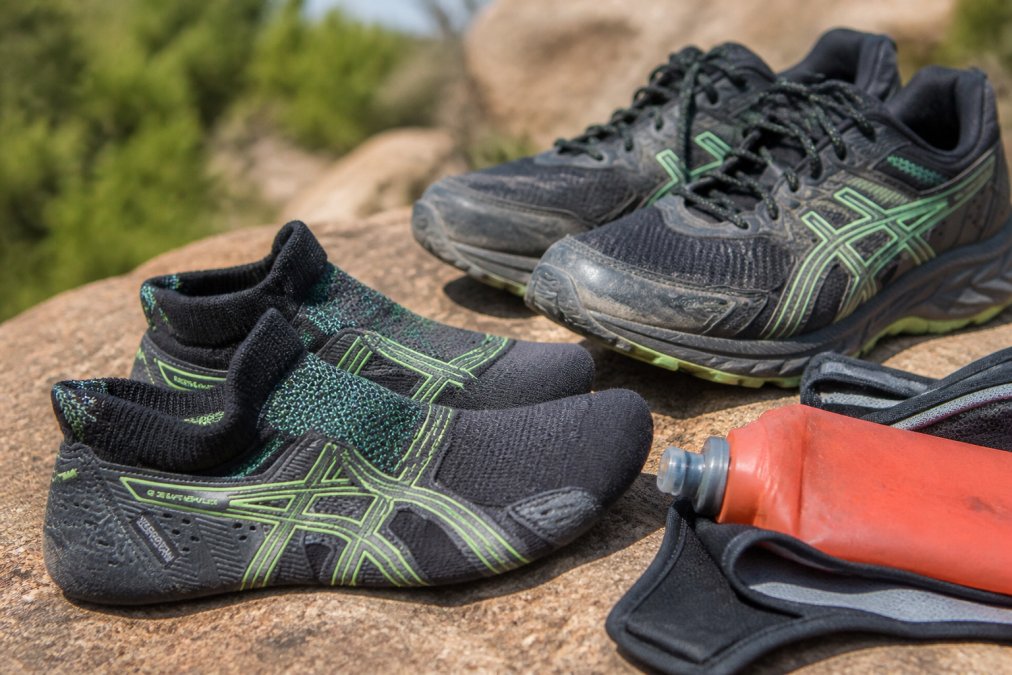
Debris shielding socks combine protective cuff design, moisture-wicking fibers, and reinforced construction for abrasive terrain. Prioritize cuff height, micro-crew or ankle gaiter height creates a physical barrier, and look for integrated gaiter technology that seals the sock-to-shoe interface. Seamless toe construction reduces friction points that cause blisters (peer-reviewed research). Merino wool provides thermal regulation and odor resistance, while synthetic fibers excel at quick-drying performance (peer-reviewed research). Reinforced heel pads and arch support reduce fatigue on rocky terrain, and compression zones provide stability to prevent foot shifting inside your shoe.
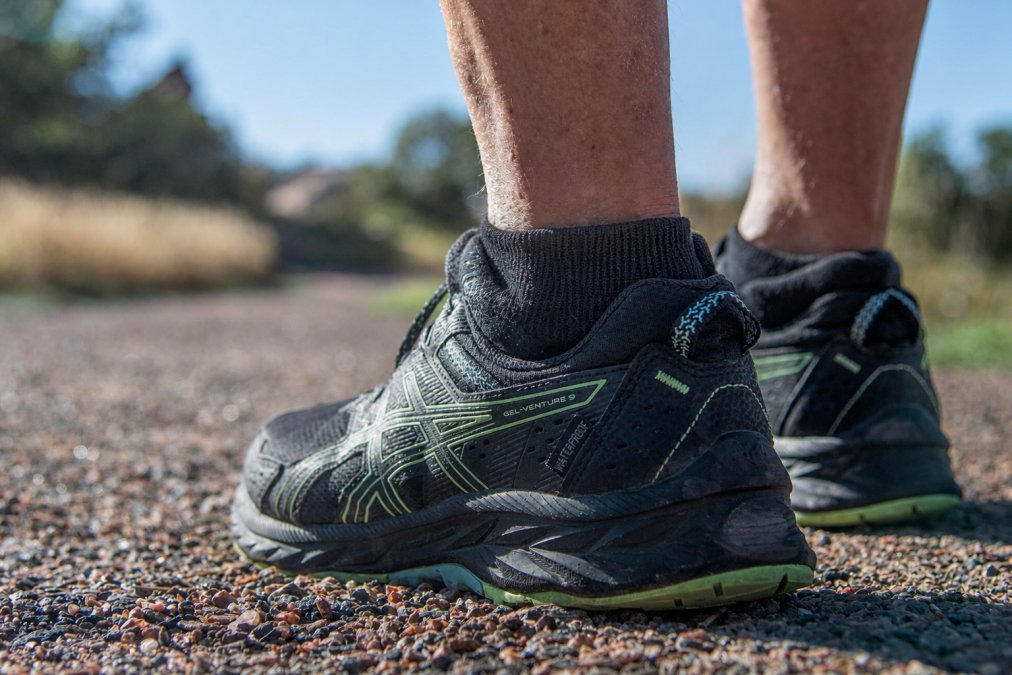
Examine seam construction, reinforced seams withstand abrasive rock contact better than standard stitching.
Preventing Debris in Running Shoes: How Cuff Design Matters
The cuff is your first line of defense against trail debris. A well-designed cuff creates a seal at the shoe opening, preventing sand and grit from entering while allowing moisture to escape. Ankle gaiter height (extending 2-3 inches above the shoe collar) creates maximum protection for technical terrain (acsm.org). Compression zones around the ankle keep the sock seated firmly inside the shoe, preventing slippage that creates gaps.
Blister Prevention for Trail Runners and the Role of Moisture Management
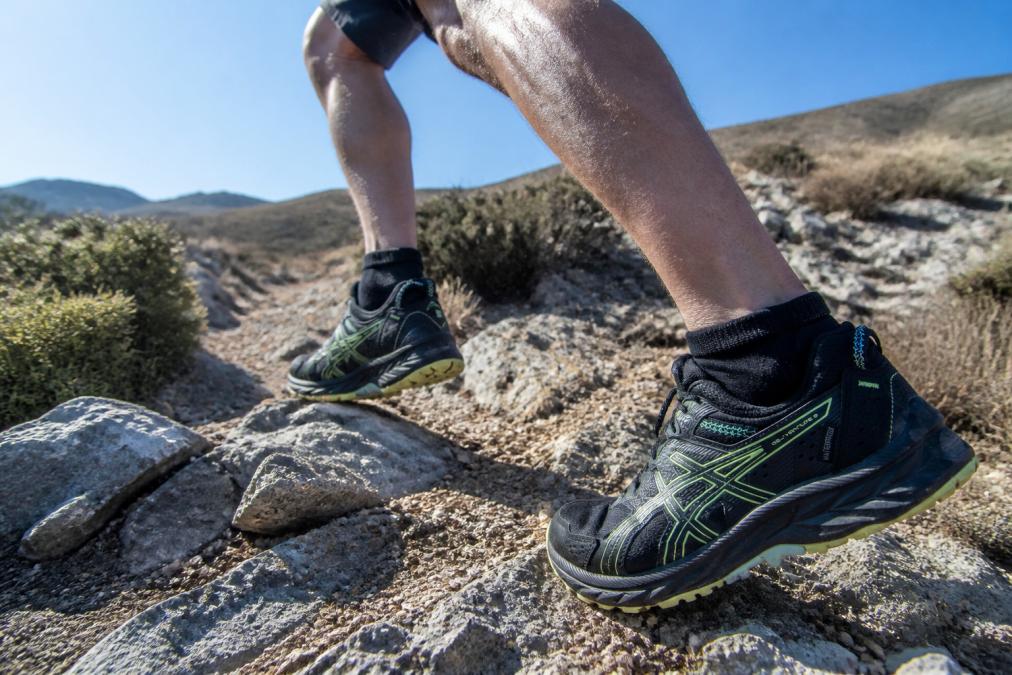
Blister prevention hinges on moisture management and friction reduction. Merino wool absorbs moisture without feeling wet, while synthetic fibers prioritize quick-drying performance in humid environments. Seamless toe construction eliminates the pressure point where friction and moisture combine most intensely. Arch support and compression zones reduce foot movement inside your shoe, the primary friction driver.
| Feature | Impact on Blister Prevention |
|---|---|
| Moisture-wicking fiber | Keeps skin dry, reduces friction environment |
| Seamless toe construction | Eliminates primary blister hotspot |
RockResist GEN1 Road & Trail Low Cut Athletic Socks deliver the debris-shielding protection and moisture management trail runners need to stay blister-free on technical terrain. Built with engineered insulation, breathable mesh, and reinforced seams tested on rugged Colorado trails, these socks prevent debris accumulation and sweat buildup during long efforts. Get the RockResist GEN1 socks or save with the sock bundle and experience the difference grit-tested engineering delivers.


This article was written using GrandRanker