
Last Updated: August 21, 2026
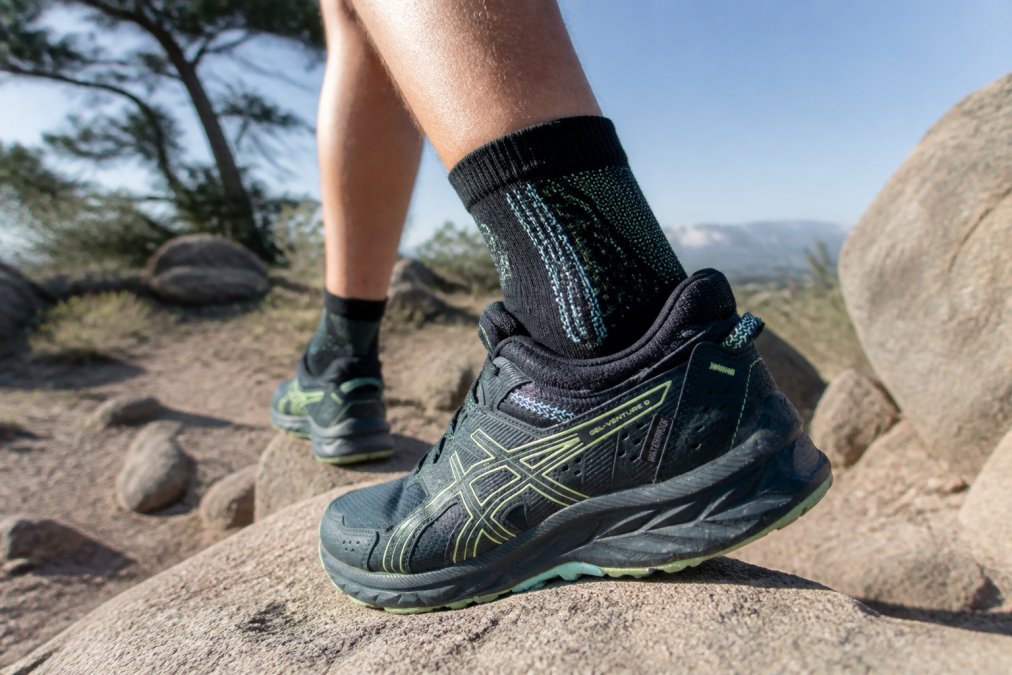
How to Prevent Hiking Socks From Slipping
Socks slip due to inadequate friction, moisture buildup, and repetitive movement (peer-reviewed research). Choose crew-length socks reaching mid-calf for better cuff contact, ensure elastic fits snugly without restricting circulation, and prioritize moisture-wicking fibers like merino wool or synthetic blends to reduce sweat-induced slippage.
Best Socks for Long Distance Hiking
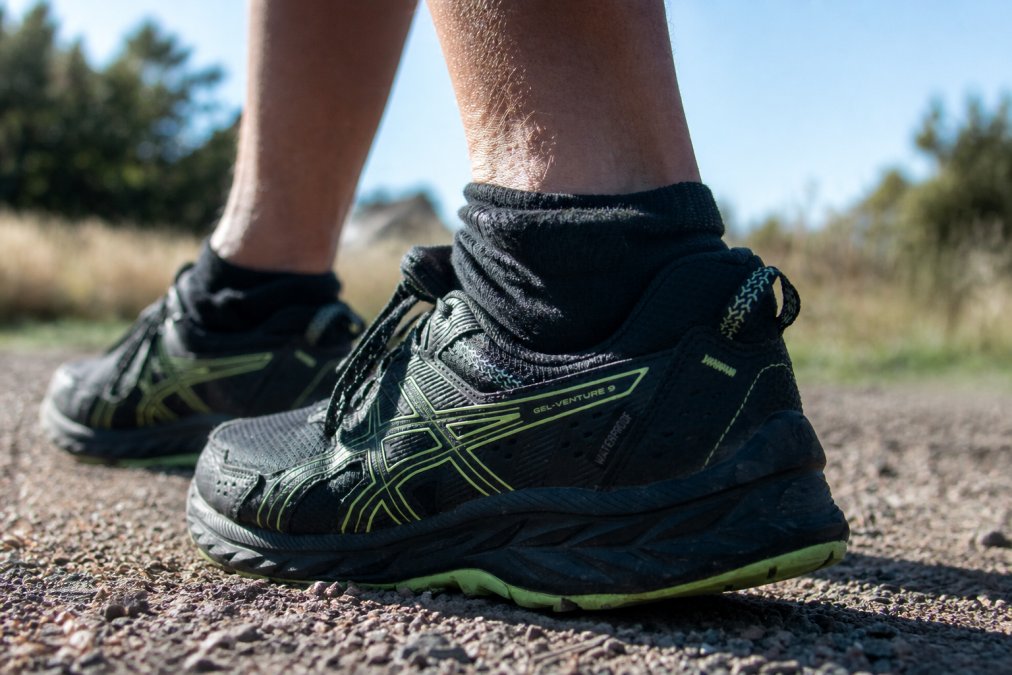
Long-distance hiking demands socks with cushioning in high-impact zones, breathability, and seamless toe construction to eliminate blister triggers. Merino wool provides natural temperature regulation while synthetic reinforcement adds durability (peer-reviewed research). Arch support and reinforced heel and ball-of-foot areas absorb impact from downhill sections. RockResist's GEN1 Road & Trail Low Cut Athletic Socks feature debris-shielding cuff technology and moisture-wicking construction to prevent slippage. The RockResist Sock Bundle offers three pairs at 25% off with free shipping.

Blister Prevention Hiking Gear and Sock Selection
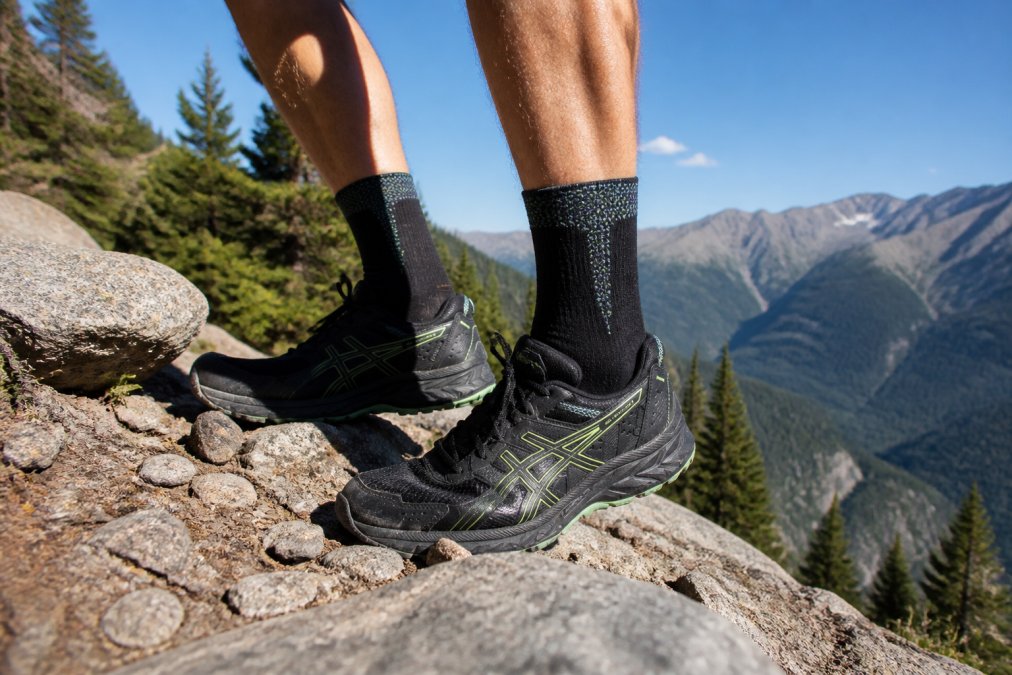
Blisters form from friction, moisture, and sock slippage inside your boot (peer-reviewed research). Moisture-wicking performance is critical, merino wool and synthetic fibers pull sweat away from skin, reducing friction. According to the American Hiking Society, moisture management is the second-most important factor in preventing foot problems on trails.
RockResist's debris-shielding cuff technology and moisture-wicking construction address the exact failure modes that cause slippage and blisters. Get started with the [RockResist Sock Bundle(/products/rockresist-sock-bundles) | rockresist.com/products/rockresist-sock-bundles] and experience the difference that performance-engineered socks make on your next extended trek.
This article was written using GrandRanker