
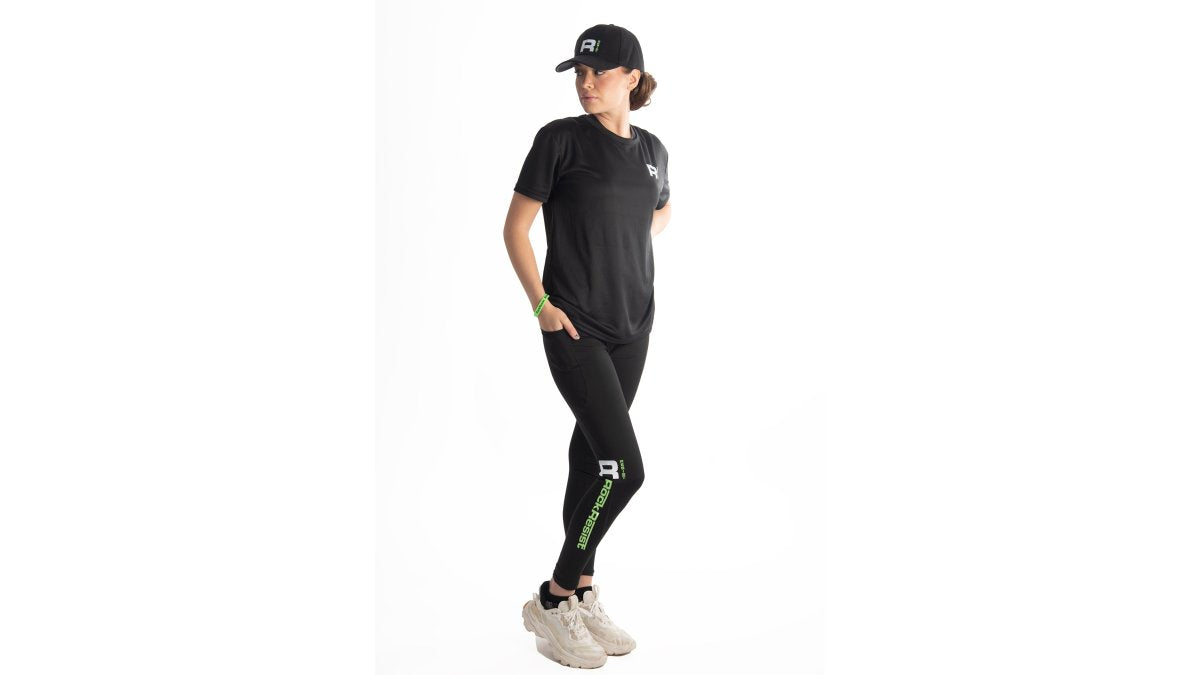
Last Updated: November 13, 2026
Quick Summary
Compression pants apply graded pressure to the legs, and endurance athletes use them to stabilize muscle during effort and to support recovery afterward. Evidence is reasonably consistent for reduced swelling and soreness after exercise, while evidence for improved endurance performance during exercise is mixed.
- Graded pressure fits tightest at the ankle and gradually loosens toward the waist.
- Compression pants for running are most useful as a comfort tool, not a performance shortcut.
- Wearing compression after exercise is associated with reduced swelling and lower delayed-onset muscle soreness.
- Buying a size down for more compression restricts movement and can shorten the garment's life.
- Pick one hard session per week, wear the tights during it and for two hours afterward, then judge after three to four weeks.
Table of Contents
- What Compression Pants Actually Do for Endurance Athletes
- Compression Pants for Running: Performance and Perceived Fatigue
- Compression Pants Recovery: Soreness, Swelling, and Strength Loss
- Disadvantages of Compression Clothing Worth Knowing
- Choosing the Best Compression Tights for Running
- Compression Pants vs. Other Recovery Strategies
- Gear Maintenance and Trail Preparation
- Build Your Compression Layer Into Your Next Training Block
- Frequently Asked Questions
What Compression Pants Actually Do for Endurance Athletes
Compression pants are tight-fitting garments that apply graded pressure to the legs, and endurance athletes use them for two distinct reasons: to stabilize muscle during effort and to support recovery afterward. Those are not the same claim, and treating them as one is where most buying decisions go wrong. This guide separates what compression clothing reliably does from what it only might do, so you can decide whether a pair earns a place in your rotation.
Graded Pressure and Muscle Stabilization
Graded pressure means the garment fits tightest at the ankle and gradually loosens toward the waist. That gradient is the entire mechanism. Compression tights can reduce how much soft tissue moves and vibrates with each foot strike, which some runners describe as a locked-in feeling through the calf and quad. The effect comes from fit, not fabric alone. A loose pair applies no meaningful pressure, and an overly tight pair restricts range of motion without adding stability.
Where the Research Is Strong and Where It Is Mixed
The honest summary: evidence for reduced swelling and reduced soreness after exercise is reasonably consistent, while evidence for improved endurance performance during exercise is mixed. Reviews of compression garments in sport generally report small effects that vary by athlete, sport, and how the garment is worn. Some controlled studies find measurable changes in perceived fatigue; others find nothing beyond statistical noise. If a product page promises a faster race time, that is marketing, not settled science.
Compression Pants for Running: Performance and Perceived Fatigue
Compression pants for running are most useful as a comfort tool, not a performance shortcut. During long efforts, the practical benefits athletes report most often are reduced muscle vibration, less perceived exertion in the late miles, and a greater sense of control on descents.
Perceived fatigue matters more than it sounds. When your legs feel steadier, pacing decisions get better, and better pacing is where real time comes from. That said, no garment replaces training volume. If you want broader, actionable ways to sharpen your running beyond apparel, our guide to 10 ways to improve trail running performance covers the training side.
Compression Pants Recovery: Soreness, Swelling, and Strength Loss
Compression pants recovery use is one of the most commonly cited reasons athletes buy compression. Wearing compression after exercise is associated with reduced swelling and, in many studies, lower delayed-onset muscle soreness in the days that follow hard efforts.
Strength and power loss after damaging exercise is where the picture blurs. Some trials show compression blunting the drop in force output; others show no difference from a placebo garment. What most guides miss is that timing and duration matter as much as the garment. Putting tights on immediately after a run and wearing them for a few hours is a different intervention from sleeping in them all night, and the research rarely separates the two cleanly.
Disadvantages of Compression Clothing Worth Knowing
The disadvantages of compression clothing are worth weighing before you buy. Fit is unforgiving: a poor match at the waist or knee creates pressure points that cause chafing over distance. Warm weather is another problem, since full-length tights hold heat on exposed climbs.
- Cost per pair: quality compression leggings are not cheap, and you need at least two pairs to rotate.
- Durability: elastic fabrics lose tension over repeated wash cycles, and a stretched-out pair stops applying graded pressure.
- False confidence: athletes sometimes assume compression substitutes for sleep, fueling, or a proper warm-up. It does not.
- Skin irritation: seams and gripper bands can rub on sensitive skin, especially on multi-hour efforts.
Watch out: buying a size down "for more compression" is a common mistake. It does not increase benefit; it restricts movement and can shorten the garment's life.
Choosing the Best Compression Tights for Running
The best compression tights for running are the ones that match your measurements, your sport, and the conditions you train in, not the ones with the loudest claims. Start with the size chart and ignore the label on your street clothes.
Fit and Sizing Checks Before You Buy
Measure waist, hips, and height, then compare against the manufacturer's chart rather than guessing. Check four things before you commit:
- Waistband sits flat without rolling when you squat
- No bunching behind the knee through a full stride
- Fabric returns to shape after you stretch it at the thigh
- Seams sit outside high-friction zones
For reference, the RockResist Compression Pants size chart runs from XS with a 29.2 to 30.7 inch waist up to XL at 35.9 to 37.8 inches, with height bands from 5'7" to 6'3". Verify sizing against the manufacturer's guide for any brand you buy, including ours.
Matching Compression to Sport, Duration, and Conditions
Sport and duration should drive the choice. Runners on technical terrain often prefer full-length tights for coverage; a shorter cut may suit other athletes better. For events beyond the marathon distance, our gear for ultra running guide covers how compression fits into a longer kit list.
Conditions decide fabric weight. Summer training favors thinner, quick-dry material, while spring and fall layering rewards a slightly heavier tight worn under shorts. If you are building a full endurance kit, the broader guide to endurance sports apparel walks through layering from the ground up.
The RockResist Compression Pants size chart gives a quick reference for matching measurements to size.
| Size | Waist (inches) | Height band |
|---|---|---|
| XS | 29.2 to 30.7 | 5'7" to 6'3" |
| XL | 35.9 to 37.8 | 5'7" to 6'3" |
Compression Pants vs. Other Recovery Strategies
Compression is one recovery tool among several, and it ranks behind sleep and nutrition in impact. Elevation reduces swelling with zero equipment. Active recovery keeps blood moving without adding damage. Foam rolling addresses tissue tension that compression does not.
Where compression wins is convenience: you put it on and go about your evening. Where it loses is cost and heat. A practical stack is elevation plus compression for the first few hours after a long run, then normal clothing. If you are weighing lower-leg options specifically, our comparison of compression socks vs debris shield socks explains which one addresses pressure and which addresses trail debris.
Gear Maintenance and Trail Preparation
Compression clothing generally lasts longer with gentle washing and air drying. Heat is a common enemy of elastic fibers, and a tight that has lost its snap no longer delivers graded pressure. Wash after every long effort, skip fabric softener, and rotate between at least two pairs.
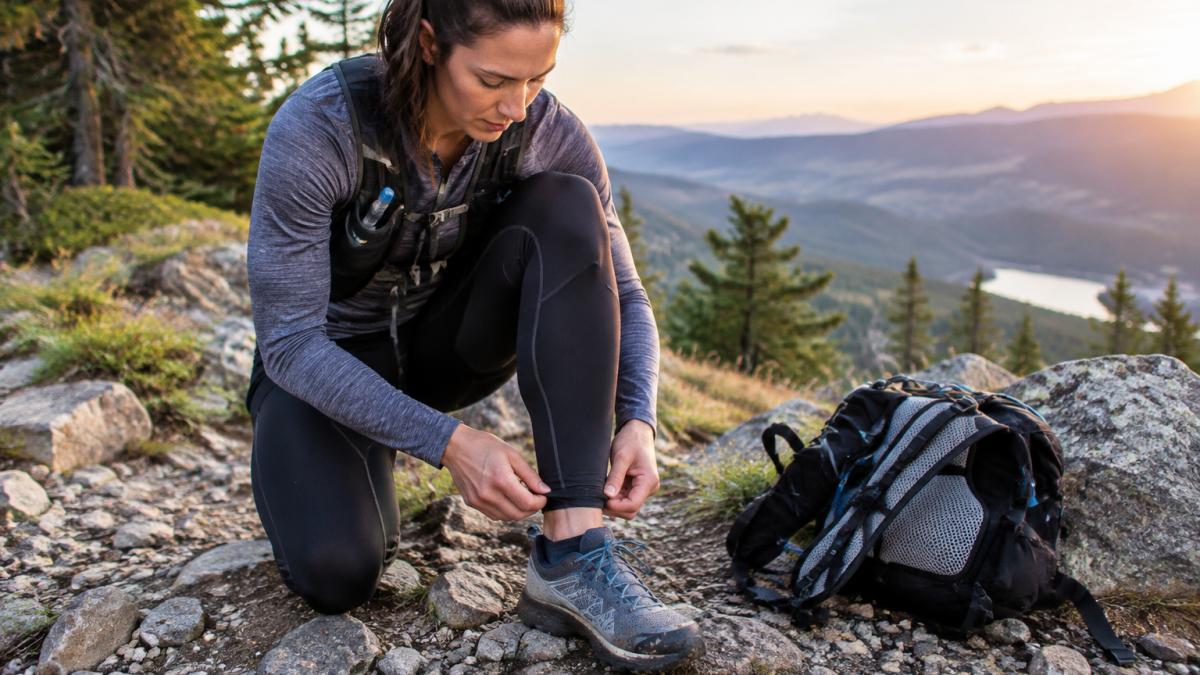
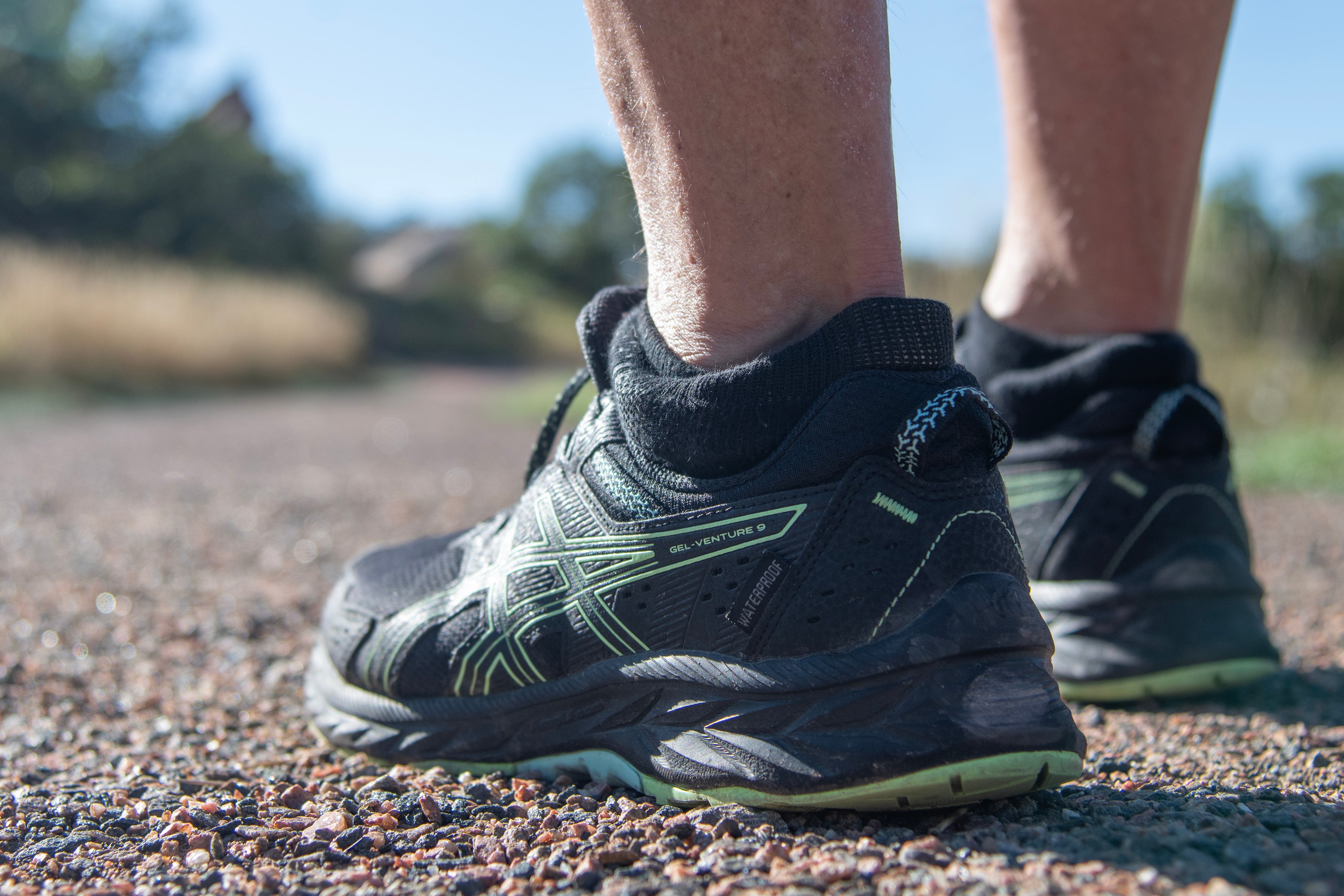
Trail preparation is where footwear systems get overlooked. Debris entering at the shoe collar is a common cause of irritation on loose terrain, and it is a separate problem from muscle fatigue. RockResist GEN1 is a low-cut sock made from 75% cotton and 25% terylene, with an integrated barrier at the collar that helps block dirt, sand, and small trail debris. The barrier can be worn up for loose terrain or tucked in for a lower-profile look. You can view RockResist socks and sizing to see how the cuff sits against your shoes. Compression pants are a complementary layer, not a replacement for foot-level protection.
Build Your Compression Layer Into Your Next Training Block
Adding compression works best as a planned change, not an impulse buy. Pick one hard session per week, wear the tights during it, and wear them again for two hours afterward. Track soreness, swelling, and how your legs feel on the following easy day. Give it three to four weeks, then judge.
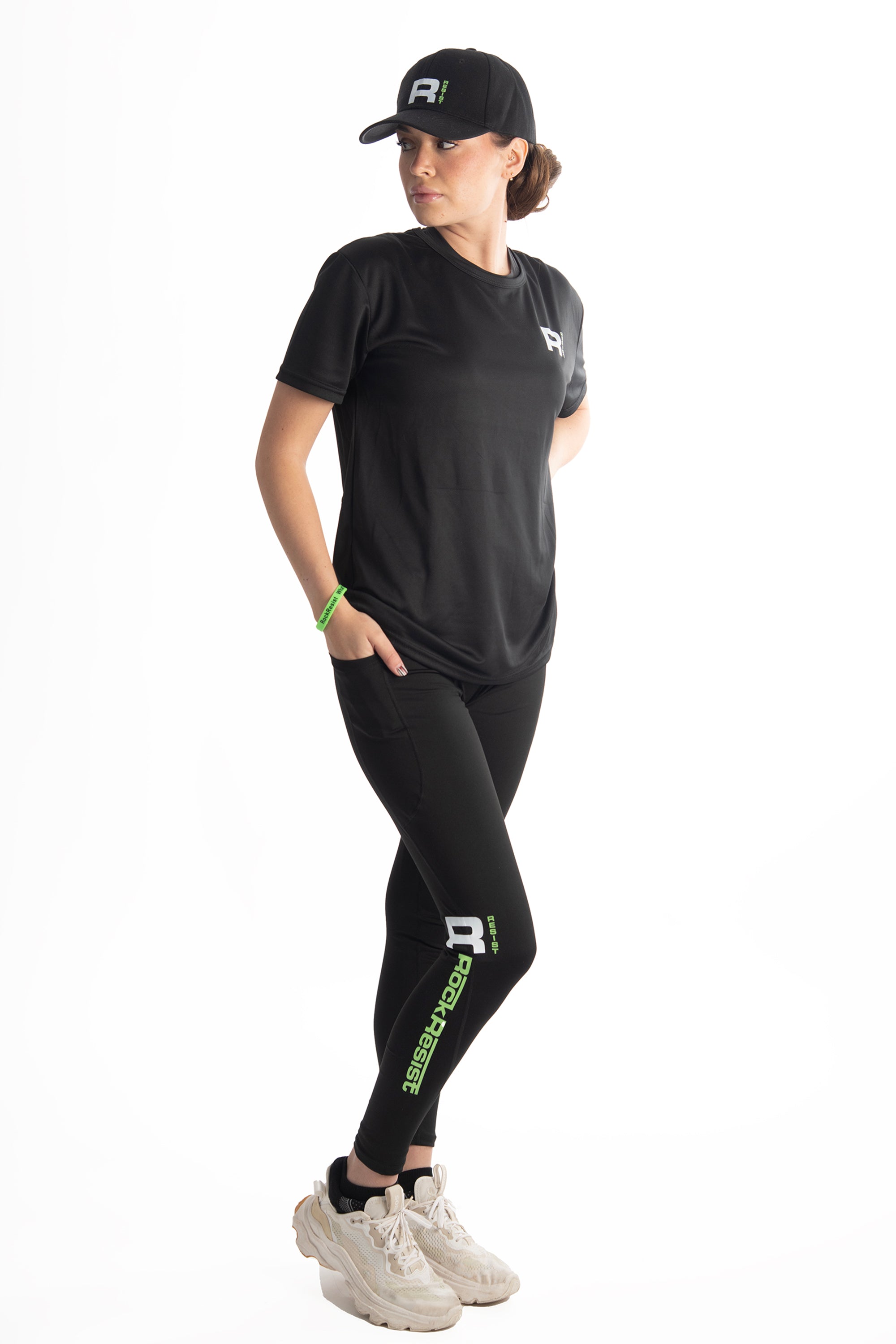
That is how you evaluate personal benefit without relying on anyone's marketing. If you want a starting point, our compression pants are full-length, tight-fit leggings with high-elasticity fabric for muscle stability, moisture-wicking construction, quick-dry material, and side pockets for a phone or keys. Pair them with low-cut socks that manage trail debris at the collar and you have a system that covers both muscle support and foot protection.
The gap between a good training block and a great one often comes down to the details you control: pacing, recovery, and keeping irritation out of the equation. RockResist builds gear for that last part, with debris-shielding sock cuffs, reinforced seams for endurance, and breathable mesh tested on rugged Colorado trails. Get started with RockResist and give your legs and feet the support they need to train consistently.
Frequently Asked Questions
Do compression pants improve endurance performance?
The evidence is mixed. Reviews of controlled studies show small, inconsistent effects on endurance performance outcomes like time to exhaustion, and many findings do not reach statistical significance. Where athletes most often report a difference is in perceived fatigue and perceived exertion during exercise, which is a feeling rather than a measured performance gain. Treat compression pants as a comfort and support layer, not a guaranteed speed upgrade, and judge them against your own training data.
Can compression pants recovery benefits reduce soreness after a long run?
Some studies report reduced muscle soreness and reduced swelling when compression is worn after exercise, and others find no meaningful difference. The strongest signals tend to involve delayed-onset muscle soreness and perceived fatigue in the days after hard efforts. Wearing them for a few hours post-run is a low-risk experiment. Track soreness, swelling, and how quickly you feel ready to train again so you can tell whether compression pants recovery works for you.
What are the disadvantages of compression clothing?
Common drawbacks include a tight, restrictive feel in hot weather, difficulty putting them on when damp, and seams or cuffs that chafe on long efforts. Fit is the biggest issue: too much compression pressure can feel uncomfortable and restrict movement, while too little gives no support. Anyone with circulation concerns or skin sensitivity should talk to a clinician before wearing tight garments for long periods. Cost and limited versatility compared with looser layers are also fair criticisms.
How should compression pants fit for running?
They should feel firm and supportive without pinching at the waist or bunching behind the knee. Check the manufacturer's size chart against your waist, hip, and height measurements rather than guessing, and size up if you are between sizes. Test them on a short run first: if you have to tug them up repeatedly or you feel numbness or tingling, the fit or pressure is wrong. Pair them with socks that manage debris at the collar, such as RockResist trail socks, to keep the lower leg system comfortable.
