
Table of Contents
- Why Rocks in Your Socks Matter More Than You Think
- How to Prevent Blisters Trail Running: The Debris Connection
- Removing Rocks and Debris on the Trail: Immediate Solutions
- Best Socks for Trail Running: Built-In Debris Protection
- How to Use Trail Gaiters to Stop Rocks Before They Start
- Moisture Management and Foot Care for Long-Distance Running
- Common Mistakes That Make Debris Problems Worse
- Frequently Asked Questions
Last Updated: September 29, 2026
Why Rocks in Your Socks Matter More Than You Think
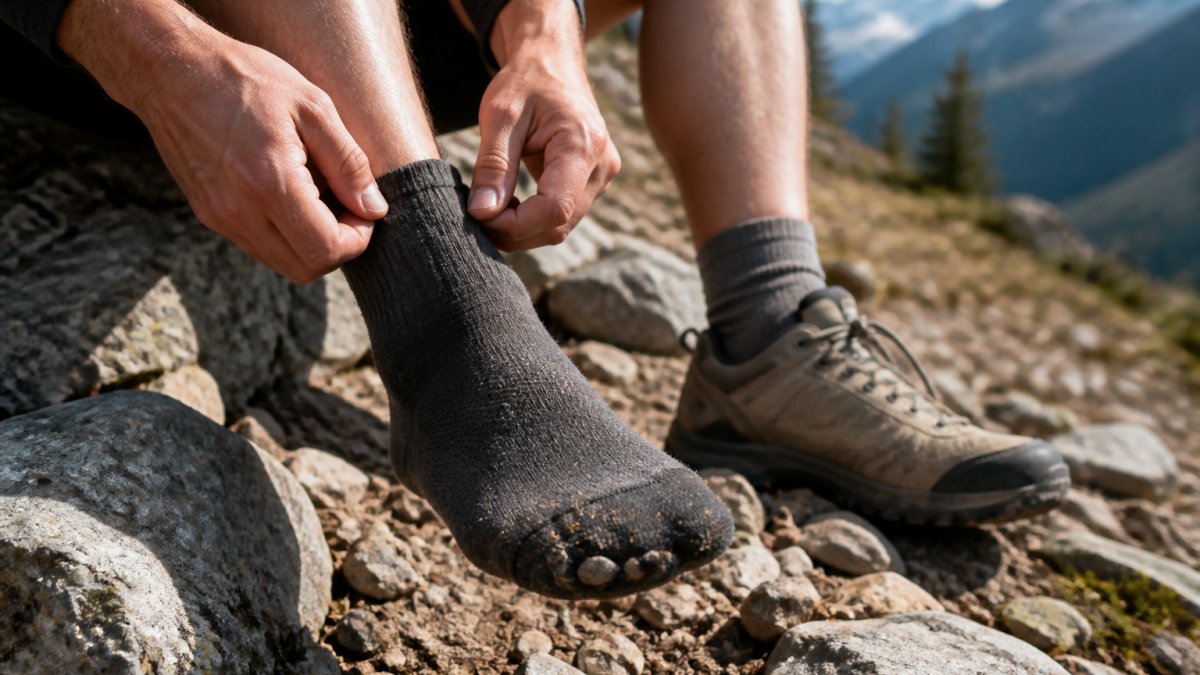
When you're five miles into a trail run and rocks in my socks start working their way into your footwear, it's not just annoying. Small rocks, sand, and grit create friction that builds blisters fast. Those blisters don't just hurt, they end your run, derail your training, and can sideline you for days. The problem isn't that debris gets into socks. The problem is that most runners treat it like a minor inconvenience instead of what it actually is: a performance limiter.
Rocks in your socks create pressure points. They trap moisture. They prevent your foot from moving naturally inside your shoe. Each of these factors compounds the others. That's why experienced trail runners don't just tolerate debris, they engineer their gear to stop it before it starts.
The good news: this is solvable. You don't need expensive orthotics or custom footwear. You need the right sock design, proper gait awareness, and a few tactical prevention strategies. Below, we'll show you exactly how to keep debris out and your feet blister-free on even the toughest terrain.
How to Prevent Blisters Trail Running: The Debris Connection
Blisters form when friction meets moisture and pressure. Trail running accelerates all three. When rocks or sand enter your sock, they create a hard point of contact against your skin. Your foot swells slightly from exertion and heat. Sweat adds lubrication, which sounds helpful but actually makes friction worse. Within 30 minutes, you've got a blister.
Most guides focus on sock materials or insoles. They miss the root cause: debris entry. If you prevent rocks in my socks from happening in the first place, blister prevention becomes much simpler.
But there's a deeper reason this phrase matters beyond the physical irritation. "Rocks in your socks" has become an idiom for self-inflicted problems, unnecessary burdens we carry that slow us down. In the context of trail running, the metaphor is literal. You're actually carrying small stones that create friction, drain energy, and prevent forward progress. Understanding this dual meaning helps explain why the problem feels so frustrating: it's both a real physical obstacle and a symbol of preventable suffering.
Here's what separates trails where you stay blister-free from trails where you don't:
- Sock design matters more than cushioning. A thick sock won't stop debris. A sock with a sealed barrier will.
- Fit precision is critical. Loose socks bunch and create gaps. Tight socks trap moisture. You need snug without compression.
- Moisture management starts before sweat appears. Breathable mesh in high-heat zones keeps your foot dry from the start.
- Heel reinforcement reduces friction at the collar. This is where debris enters most often.
- Awareness of the problem is the first step. Many runners normalize the discomfort instead of treating it as a solvable issue. Recognizing that rocks in your socks are a preventable problem, not an unavoidable part of trail running, changes how you approach gear and technique.
Trail running demands socks engineered specifically for the environment. The RockResist GEN1 Trail Running Socks address each of these factors with an integrated debris-blocking barrier that keeps grit out where it usually sneaks in, at the shoe collar. The design lets you wear the barrier up for loose terrain or tuck it in for a lower-profile look depending on conditions.

Removing Rocks and Debris on the Trail: Immediate Solutions
You're three miles from the trailhead and you feel that telltale grinding inside your shoe. Here's what to do right now.
Stop and address it immediately. Don't push through hoping it will work itself out. Every minute you run with debris accelerates blister formation.
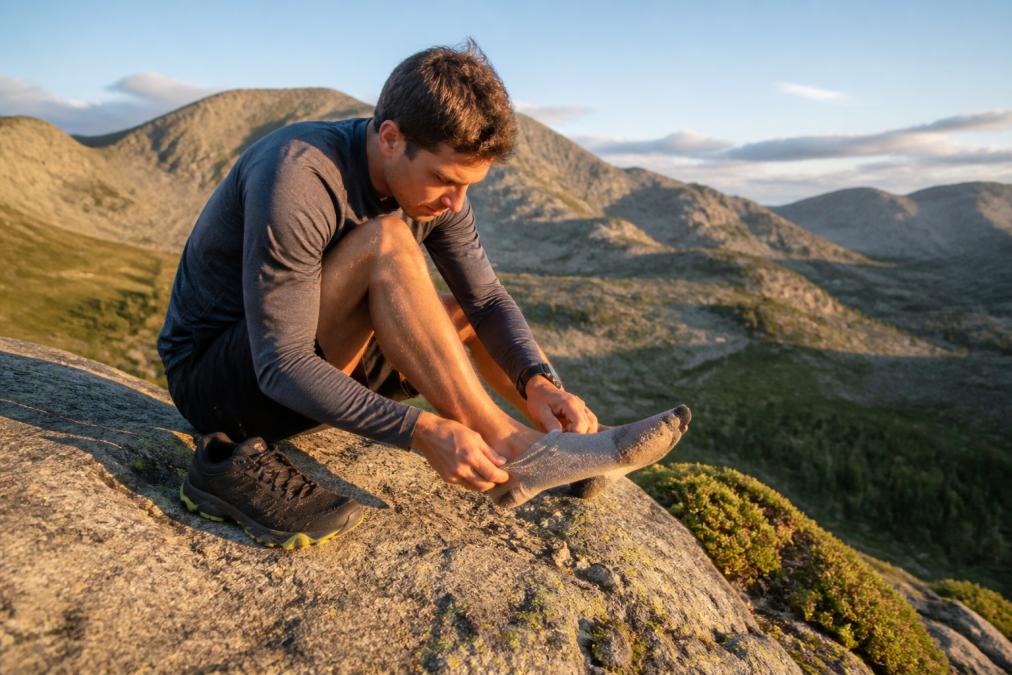
Find a safe spot to sit. Remove your shoe and sock carefully. Shake the sock firmly over your hand or a rock to dislodge debris. Check inside your shoe for any remaining grit. Use your finger or a small stick to clear the shoe interior if needed.
Inspect your foot for any abrasion or early blister formation. If you see redness or a hot spot, address it now. A small preventive measure stops a blister before it starts.
Dry your foot and sock if they're wet. Moisture accelerates blister risk. If your sock is damp from sweat, consider changing to a fresh pair if you're carrying one. If not, wring out the sock as much as possible.
Put your sock back on smoothly. Make sure there are no wrinkles or bunched fabric. Wrinkles create pressure points and trap debris.
Replace your shoe and adjust the fit. Tighten laces enough to keep your foot stable without cutting off circulation. A loose shoe lets debris move around. A tight shoe traps moisture.
RockResist GEN1 Trail Running Socks →
Resume running only when you're confident the problem is solved. If debris keeps returning on the same stretch, that's a signal to change your route or your gear.
Prevention is always better than on-trail fixes. But knowing how to handle debris when it happens keeps you moving.
Best Socks for Trail Running: Built-In Debris Protection
The foundation of blister prevention is the sock itself. Not all athletic socks are built for trail running. Road running socks prioritize cushioning. Trail socks need to prioritize barrier protection.
Understanding sock construction helps you evaluate any option, not just branded products.
Integrated cuff barriers extend the sock material upward to create a physical seal at the shoe collar. These work by blocking debris at the entry point. The cuff material is usually firmer than the rest of the sock, firm enough to resist pebbles but not so rigid that it creates pressure points. Look for cuffs that sit at least one inch above the shoe collar when worn.
Beyond barrier design, evaluate these material properties:
- Moisture-wicking material. Cotton absorbs sweat and holds it against your skin. Synthetic blends (polyester, nylon) or merino wool wick moisture away. Your foot stays drier, and friction decreases. Merino wool also naturally resists odor and regulates temperature in both hot and cold conditions, making it ideal for variable trail conditions. Synthetic blends dry fastest after water crossings.
- Reinforced heel material. The heel takes the most impact and friction. Extra material here reduces hot spots and early blisters. Look for double-layer construction or thicker gauge material in the heel cup.
- Non-slip construction. A sock that slides inside your shoe creates more friction than one that stays in place. Look for gripping patterns on the sole or heel, these are usually silicone dots or textured rubber.
- Breathable mesh in high-heat zones. Ventilation prevents moisture buildup. Mesh panels on the top of the foot and around the ankle help your foot breathe without compromising the barrier.
- Seam placement. Flat seams or seam-free construction reduces pressure points. Seams running across the toe or heel create friction zones that accelerate blister formation.
How to Use Trail Gaiters to Stop Rocks Before They Start
Gaiters are a deliberate barrier between your shoe and the trail. They wrap around your ankle and lower leg, creating a seal that debris can't penetrate.
Here's how to use them effectively:
- Choose the right height. Low gaiters cover just the ankle. Mid-height gaiters extend partway up the shin. Taller gaiters protect more terrain but can feel restrictive. For trail running, low to mid-height is usually sufficient.
- Fit them snugly around your ankle. They should not slide during movement. Tighten the closure straps so they're firm but not cutting off blood flow.
- Tuck your sock into the gaiter. This creates a continuous seal. Debris hits the gaiter, not your sock.
- Ensure the gaiter covers the shoe collar. The seal matters most where your shoe opens. Make sure the gaiter overlaps the shoe by at least an inch.
- Test the fit before your run. Do a short test run to make sure the gaiter stays in place and doesn't create pressure points.
Moisture Management and Foot Care for Long-Distance Running
Moisture is the hidden accelerant in blister formation. Wet skin is fragile skin. It tears more easily under friction. It softens and loses its protective barrier.
Common Mistakes That Make Debris Problems Worse
Most runners make one critical error: they ignore the problem until it becomes a blister.
Frequently Asked Questions
Why do rocks keep getting into my socks while trail running?
Rocks and debris enter at the shoe collar during high-impact movement, especially on loose terrain. As your foot strikes the ground, the force creates suction that pulls small stones and grit upward. Low-cut socks and loose lacing make this worse. Wearing socks with integrated debris-blocking barriers, like RockResist GEN1 Trail Running Socks, helps seal the gap between your shoe and sock to prevent this common problem.
Can the right socks actually prevent blisters on long trail runs?
Yes. Blisters form from friction combined with moisture and debris rubbing against skin. The best socks for trail running use moisture-wicking materials and reinforced heel areas to reduce friction while keeping feet dry. Debris inside your sock amplifies friction and blister risk, so socks with debris-blocking barriers address a key cause. Proper fit and secure construction also matter, socks that slip increase blister formation during high-mileage efforts.
Do trail gaiters actually work, or are they just extra gear to carry?
Trail gaiters work when used correctly. They seal the gap between your shoe and pant leg, stopping debris before it reaches your sock. Wear them snug around your ankle and over the shoe collar, not loose around your calf. They're most effective on rocky, sandy, or heavily brushed terrain where debris entry is frequent. For moderate trails, a good pair of socks with built-in debris protection may be enough; for technical mountain routes, gaiters add significant protection.
How often should I stop to remove debris during a run or hike?
Stop immediately if you feel sharp pain, grinding sensations, or a pebble pressing into your foot. Ignoring debris increases blister risk and can cause cuts. On very technical terrain, quick stops every 1-2 miles may be necessary. On smoother trails, you may go much longer without issues. Wearing socks designed to block debris reduces the frequency of stops. If you're stopping constantly, your sock choice or gait pattern needs adjustment.
Rocks in your socks aren't an inevitable part of trail running. They're a solvable problem. The right gear, proper prevention strategies, and quick action when debris does enter make the difference between a strong training run and a blister-derailed session. Get started with RockResist Trail Running Socks and experience how engineered debris protection keeps your feet blister-free so you can focus on the trail ahead.