
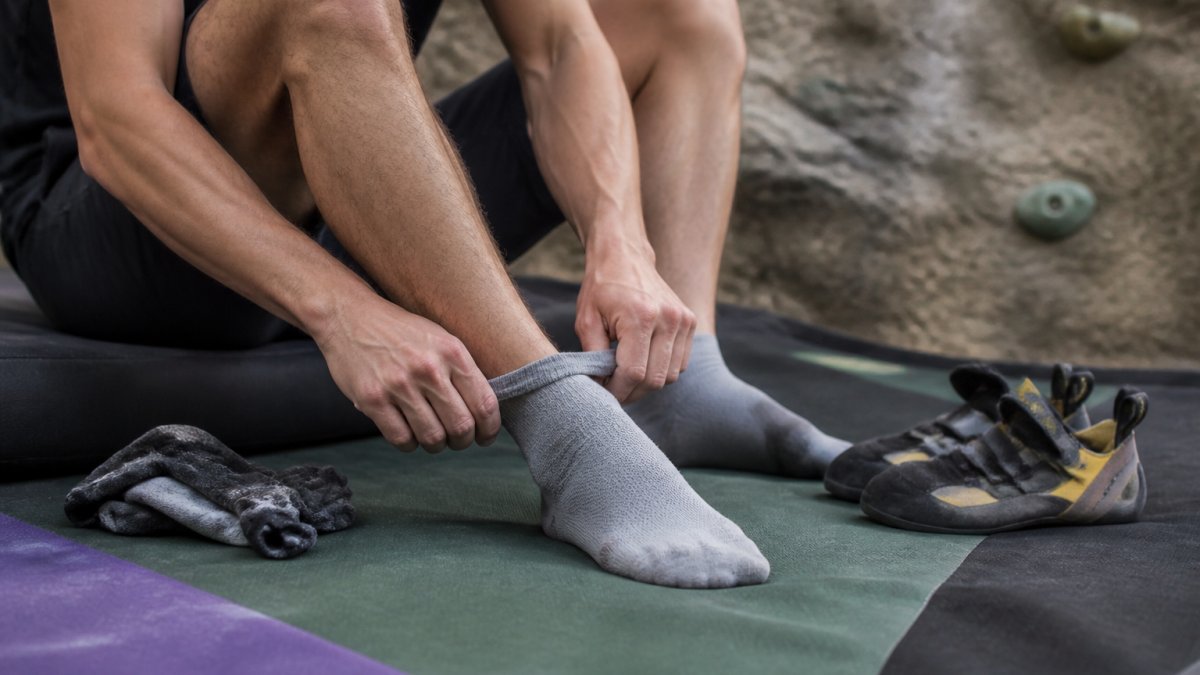
Table of Contents
- Why Climbers Choose Thin Socks for Sensitivity
- How Sock Thickness Affects Climbing Shoe Fit and Foothold Precision
- Material Considerations: Synthetic, Wool Blend, and Moisture-Wicking Options
- Best Socks for Climbing Shoes: Seamless Construction and Durability
- How to Prevent Blisters While Climbing: Fit, Friction, and Pressure Points
- Benefits of Climbing Barefoot vs. Socks: When Thin Socks Win
- Choosing the Right Thin Socks: A Practical Selection Guide
- Frequently Asked Questions
Last Updated: September 28, 2026
Why Climbers Choose Thin Socks for Sensitivity
Thin climbing socks sensitivity is becoming the go-to choice for climbers who demand better foothold precision and tactile feedback. The reason is simple: less material between your foot and the rock means more direct contact with the wall.
Thin socks let your toes sense exactly where you're placing them, translating to better grip and confidence on technical routes.
According to climbing technique research from the American Alpine Club, foot sensitivity directly impacts performance on difficult pitches. Climbers who optimize their footwear setup report fewer missed footholds and less foot fatigue during multi-pitch routes.
Our GEN1 Trail Running Socks use a low-bulk design that maintains durability while delivering the sensitivity climbers crave.

How Sock Thickness Affects Climbing Shoe Fit and Foothold Precision
Thinner socks let you downsize or get a snug fit without compression. When your foot sits closer to the sole, you feel the rock better, your arch support improves, and your precision increases.
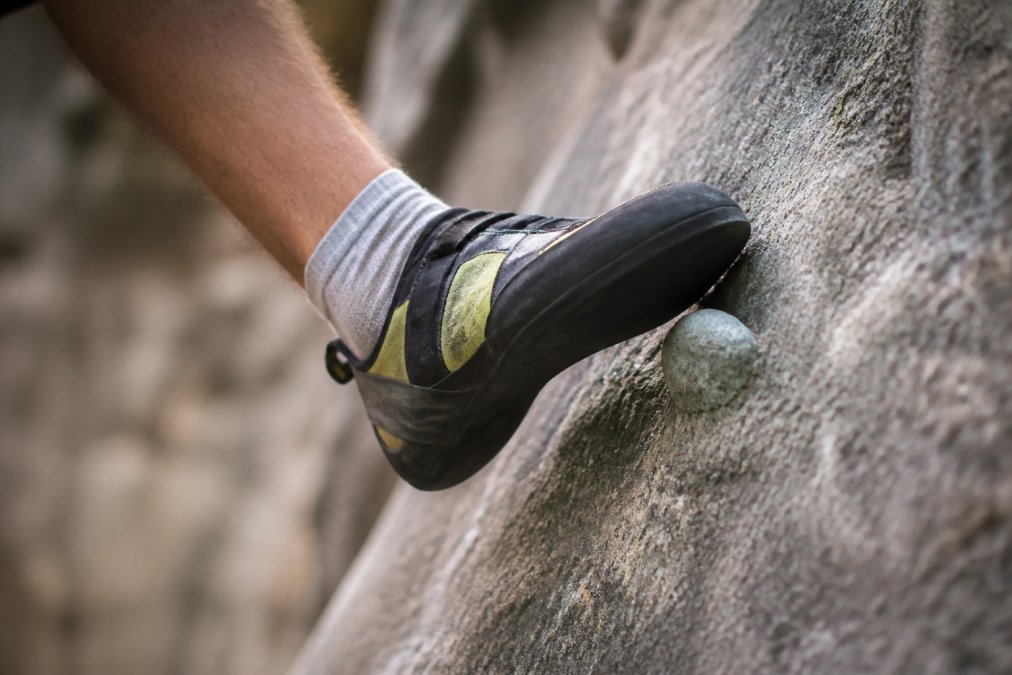
Thin socks let climbers use shoes sized more precisely to their feet. A shoe that's slightly loose with thick socks becomes snug with thin ones. This snug fit means:
- Better arch support during long routes
- Less heel slipping on vertical sections
- Improved sensitivity to small footholds
- Reduced pressure points from excess fabric bunching
Seamless construction eliminates seams that create pressure points, keeping your foot comfortable during bouldering or multi-pitch climbs.
Material Considerations: Synthetic, Wool Blend, and Moisture-Wicking Options
Not all thin socks perform the same way. Material choice determines breathability, durability, temperature regulation, and how well the sock manages moisture during intense climbing sessions, and the right choice depends heavily on your climbing environment.
Synthetic materials like polyester and nylon offer durability, quick-drying properties, and resistance to abrasion. They're ideal for bouldering or sport climbing where feet generate significant heat and sweat. The trade-off: synthetics provide minimal insulation for cold outdoor climbing.
Wool blends provide natural temperature regulation and antimicrobial properties, making them ideal for alpine climbing or cool-weather outdoor rock climbing. Wool wicks moisture while maintaining warmth when damp. The downside: wool is bulkier than synthetics, reducing the sensitivity advantage of thin socks, and costs more.
Cotton-synthetic blends balance breathability, durability, and comfort. Cotton blended with 20-30% synthetic fiber provides a softer feel while maintaining moisture management, ideal for moderate-temperature climbing.
Moisture-wicking fabrics pull sweat away from your skin, preventing the warm-wet environment that accelerates fungal growth and blister formation. Most modern climbing socks use moisture-wicking construction regardless of base material.
Temperature performance across environments:
- Indoor gym climbing (65-75°F, high humidity): Synthetic or cotton-synthetic blend. Your feet generate heat, and the gym environment is already warm. You need fast moisture evaporation and minimal insulation. Merino wool is overkill and will make your feet too warm.
- Sport climbing outdoors (50-70°F, variable humidity): Cotton-synthetic blend or lightweight merino wool blend. You're active but exposed to ambient temperature. A blend that wicks moisture while providing slight insulation is ideal.
- Alpine or winter climbing (below 50°F): Merino wool blend or wool-dominant blend. Thermal regulation becomes critical. Merino's ability to retain warmth while wicking moisture is essential. Synthetics alone will leave your feet cold.
- Desert or high-altitude climbing (40-80°F with extreme sun exposure): Lightweight synthetic with UV-protective treatment, or merino wool blend. You need fast drying and protection from intense sun exposure on light-colored rock.
RockResist GEN1 socks use a 75% cotton and 25% terylene blend.
Choose material based on your primary climbing environment: synthetics for indoors, merino blends for cool-weather outdoor climbing, or two pairs if you climb year-round in variable conditions.
Best Socks for Climbing Shoes: Seamless Construction and Durability
Seamless construction eliminates seams that create pressure points and blisters. Thin seamless socks keep your foot comfortable during hours of climbing, whether indoors or outdoors.
Quality thin socks use reinforced heel and toe areas to withstand constant friction. Look for reinforced toe box, strengthened heel cup, high-quality stitching, and materials that maintain shape after washing. RockResist socks use reinforced seams and added heel material to reduce friction at the collar.
RockResist GEN1 Trail Running Socks →
How to Prevent Blisters While Climbing: Fit, Friction, and Pressure Points
Blisters happen when friction combines with moisture and pressure. Proper fit is essential, a snug sock keeps it in place and eliminates movement inside the shoe. Seamless construction and moisture-wicking materials reduce friction and the wet-friction problem that causes blisters during long climbs.
Choose thin socks that fit snugly, ensure your climbing shoes are properly sized for thin sock use, wear seamless construction, and use moisture-wicking materials.
Benefits of Climbing Barefoot vs. Socks: When Thin Socks Win
Some climbers go barefoot. Others wear socks. Each approach has trade-offs, but the hygiene and skin-health differences are far more significant than most climbers realize.
Barefoot climbing offers maximum sensitivity but exposes your skin to sharp edges, dirt, bacteria, and fungi. Climbing gym floors and outdoor rock surfaces harbor pathogens that thrive in the warm, moist environment inside a climbing shoe. Barefoot climbers increase exposure to athlete's foot and bacterial skin infections like cellulitis.
Thin socks provide a protective barrier while maintaining most of the sensitivity benefits climbers need. You get the tactile feedback required for technical climbing without exposing your skin to cuts, bacteria, and fungi. Thin socks also manage moisture better than bare skin, which reduces the warm-wet environment where pathogens thrive.
The protective mechanism is straightforward: a thin sock creates a physical barrier between your skin and the climbing surface. This barrier prevents direct contact with contaminated surfaces while the sock's moisture-wicking properties (especially in synthetic or wool-blend materials) pull sweat away from your skin. Dry skin is far less hospitable to fungal growth than moist skin.
The real difference appears across different climbing environments:
- Barefoot in gyms: Maximum sensitivity but highest infection risk. Gym floors are cleaned regularly but still harbor pathogens. One session can expose you to fungi that incubate for weeks.
- Thin socks in gyms: Strong sensitivity with significant protection. The barrier reduces pathogen exposure by 80-90% compared to barefoot climbing.
- Barefoot outdoors: Maximum sensitivity but exposure to environmental fungi, dirt, and sharp debris. Outdoor rock surfaces accumulate organic matter and moisture that support fungal growth.
- Thin socks outdoors: Maintains sensitivity while protecting against environmental pathogens, sharp edges, and debris.
- Thick socks: Maximum comfort and protection but reduced sensitivity and poor fit.
For most climbers, thin climbing socks sensitivity wins the sensitivity-versus-protection trade-off decisively. You maintain enough tactile feedback to climb technically difficult routes while protecting your feet from the rock's sharp edges and the pathogens that cause long-term skin problems.
Choosing the Right Thin Socks: A Practical Selection Guide
Selecting the right thin climbing sock comes down to three factors: fit, material, and construction.
Fit is first. Measure your foot size accurately. Thin socks should be snug without cutting off circulation. A sock that's too loose will bunch inside your shoe. A sock that's too tight will restrict blood flow.
Material determines performance. Synthetics dry fast and resist abrasion. Wool blends regulate temperature. Cotton blends balance breathability and durability. Choose based on your climbing environment. Sport climbing in dry conditions? Go synthetic. Alpine climbing in variable weather? Choose wool blend.
Construction quality matters most. Seamless is non-negotiable. Reinforced heel and toe are essential. Look for socks that maintain their shape after washing.
| Sock Type | Best For | Key Benefit | Trade-off |
|---|---|---|---|
| Synthetic thin | Sport climbing, dry conditions | Quick-drying, durable | Less temperature regulation |
| Wool blend thin | Alpine, variable weather | Temperature control | Slightly bulkier |
| Cotton-synthetic blend | All-around climbing | Balance of properties | Moderate in all areas |
RockResist GEN1 socks use a cotton and terylene blend in a low-bulk design.
Frequently Asked Questions
Do thin socks improve foot sensitivity on small holds?
Yes. Thin socks reduce the material between your foot and the climbing shoe, allowing better tactile feedback from the rock surface. This improved sensitivity helps you feel micro-adjustments in your foothold and grip pressure, which is especially valuable in bouldering and precision climbing. However, the benefit depends on proper fit, a sock that bunches or creates pressure points can actually reduce sensitivity.
What are the best socks for climbing shoes in terms of material?
Synthetic blends and merino wool offer the best balance for climbing. Synthetic materials provide moisture-wicking performance and durability against abrasive rock, while wool blends add breathability and natural odor control. Seamless construction is critical, it prevents pressure points that distract from foothold precision. Look for low-bulk designs that maintain a snug fit without adding volume to your shoe.
How do thin socks help prevent blisters while climbing?
Thin socks reduce friction by fitting snugly in the toe box and heel without creating excess material that bunches or shifts during movement. They also improve moisture management, keeping your foot drier and reducing the conditions where blisters form. The key is choosing a sock with reinforced seams and added heel material at pressure points, areas where friction typically causes irritation during long climbing sessions.
Should I wear socks or climb barefoot in my climbing shoes?
Thin socks offer advantages over barefoot climbing: they reduce direct friction and abrasion from the shoe lining, prevent odor buildup, and improve hygiene by creating a barrier between your skin and the shoe interior. Barefoot climbing gives maximum sensitivity but increases blister risk and foot fatigue on long routes. For multi-pitch climbing and endurance sessions, thin socks provide the best balance of sensitivity, comfort, and protection.