Last Updated: November 7, 2026
Quick Summary
Foot swelling while running is usually a normal response to heat, long efforts, and blood flow shifting toward working muscles. To manage it mid-run, slow to a walk, loosen the laces over the top of the foot, check toe room, and cool the foot if possible. Persistent, one-sided, or painful swelling needs medical attention.
- Heat, long duration, and a snug shoe are the main factors that make foot swelling worse.
- Walk for 60 to 90 seconds so calf muscles keep pumping blood back up the leg.
- Loosen the upper laces and skip the top eyelet to reduce pressure across the foot.
- Stop the run if you feel sharp pain, numbness, or a hot spot that is getting worse.
- Seek care promptly for one-sided swelling with calf pain, warmth, or redness.
Table of Contents
- Why Your Feet Swell While Running
- How Much Do Feet Swell When Running?
- Step-by-Step: What to Do Mid-Run When Your Feet Swell
- One Foot Swollen After Running: Causes and What to Check
- Swollen Ankles After Running With Pain: When to Seek Medical Care
- How to Cure Swollen Legs After Running: Recovery Steps That Help
- Preventing Swelling on Your Next Run: Building a Routine That Works
- Frequently Asked Questions
Why Your Feet Swell While Running
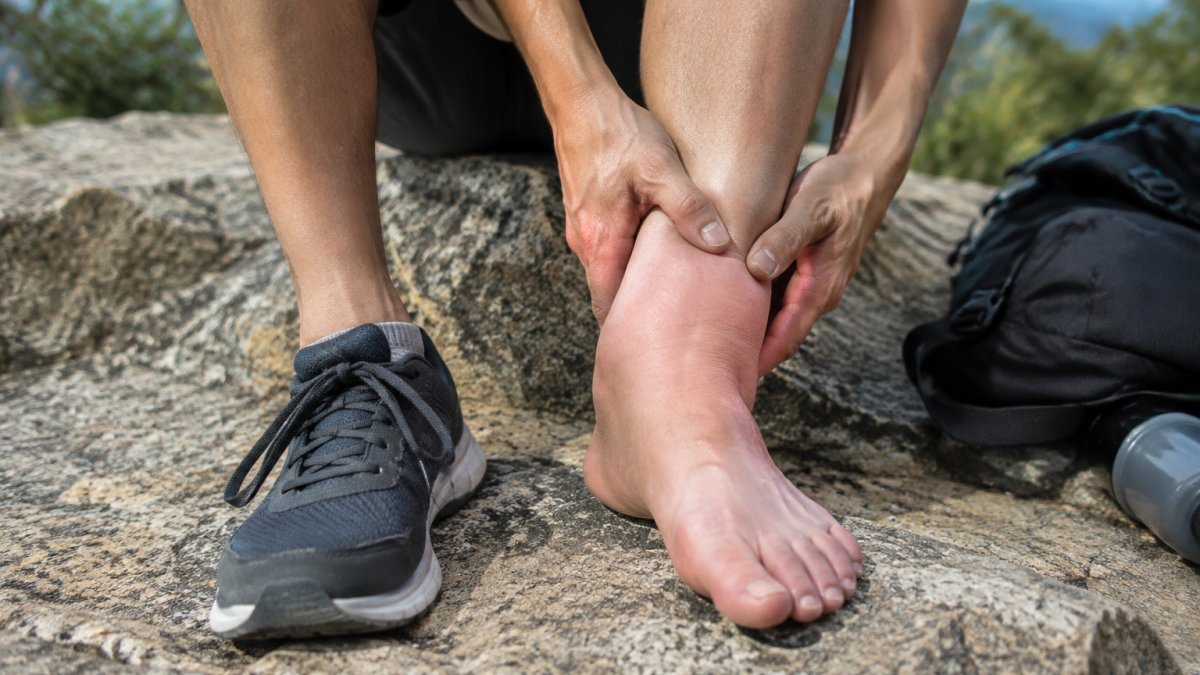
Foot swelling while running is common, and it usually comes from a mix of heat, long efforts, and the way blood and fluid move through your lower legs when you are on your feet for hours. Your feet and ankles expand as the body sends more fluid toward working muscles and tries to cool itself. Most of the time, this is a normal response to exercise.
Several factors make it worse. Hot weather, a long run, and a snug shoe all push your feet to swell more than they would on a cool, short outing. Knowing which factor is in play helps you choose the right fix.
Heat, Duration and Blood Flow
Heat is one of the biggest triggers. When your body heats up, blood vessels widen near the skin to release warmth, and fluid can seep into the tissues of the feet and ankles. The longer you run, the more time this has to build.
- Heat: Warm pavement and humid air increase swelling.
- Duration: Runs over 60 to 90 minutes often bring more swelling.
- Blood flow: Your calf muscles help pump blood back up the leg. When pace slows or you stop suddenly, that pump slows too.
How Much Do Feet Swell When Running?
Most runners notice a small increase in foot size by the end of a long run. The change is usually a slight rise in volume, enough to feel tight in your shoes but not enough to cause harm.
We cannot give a precise figure for how much your feet will swell, because it depends on your body, the weather, your footwear, and how long you run. What matters most is whether the swelling goes down within a day or two of rest. If it does, it is most likely a normal exercise response. If it does not, or if it comes with pain, see a doctor.
A quick way to track your own pattern:
- Note your shoe size and how your shoes feel before a run.
- Notice how tight they feel at the end of a long run.
- Check again the next morning. Mild puffiness should be gone.
Step-by-Step: What to Do Mid-Run When Your Feet Swell
Most guides jump from causes to after-run care. The harder question is what to do in the middle of a run when your shoe suddenly feels tight. Work through this sequence in order, and stop advancing to the next step once the foot feels comfortable again.
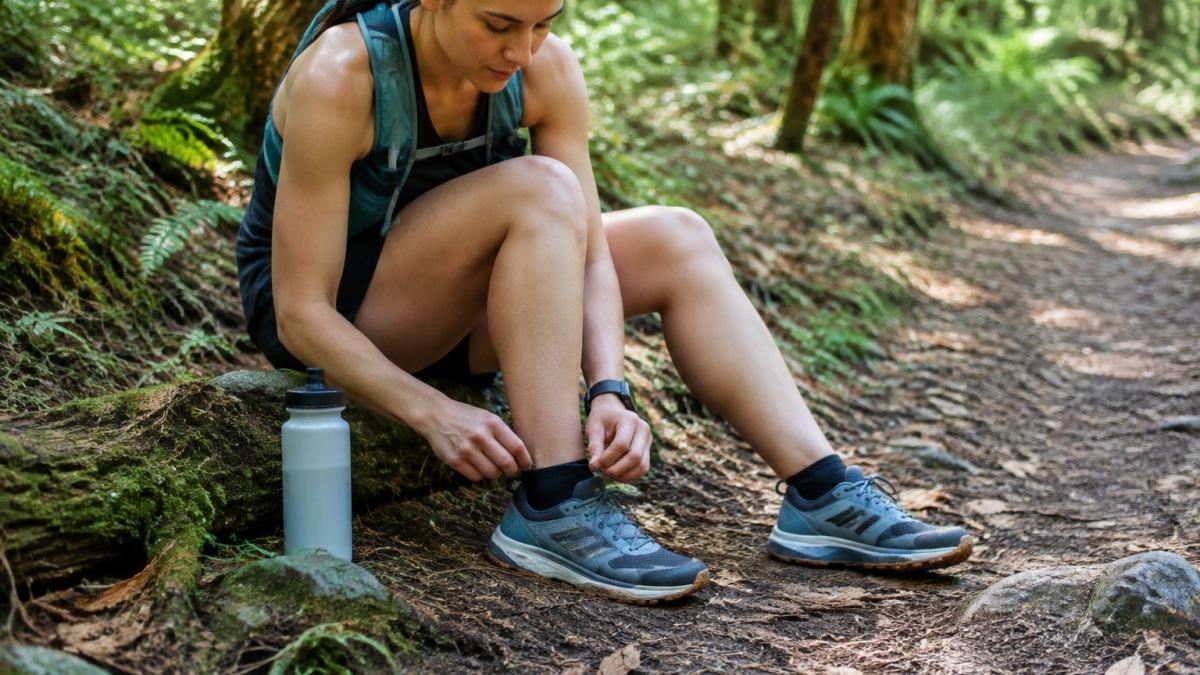
1. Slow to an easy walk for 60 to 90 seconds. Your calf muscles act as a pump that pushes blood and fluid back up the leg.
2. Stop and retie your laces. Untie the shoe completely, not just the top loop. Swelling makes the shoe feel smaller, so the laces press harder across the top of the foot.
3. Check the toe box with your thumb. You should be able to press a thumb's width between your longest toe and the front of the shoe while standing.
4. Cool the foot if you can. On a hot day, a splash of cool water from a bottle over the top of the foot and ankle can ease the feeling of heat and pressure. Do not use ice mid-run; you want to keep moving, not numb the tissue.
5. Decide whether to continue. If the foot feels better after steps 1 through 3, resume at an easier pace and reassess every 10 to 15 minutes. If the tightness returns quickly, shorten the run.
6. Loosen and elevate at the first opportunity. Once you stop, sit down, remove the shoe, and raise the foot for a few minutes before you stretch or walk to cool down.
Watch out: do not ignore numbness or tingling in the toes. That usually means the shoe or laces are compressing nerves or blood vessels, and continuing can turn a minor fit problem into a painful one.
Trail runners have an extra variable: grit and small debris that work into the shoe collar and add friction as the foot expands. A low-cut trail sock with a debris barrier is one option to look at for this. You can View RockResist Socks & Sizing to check current pricing, sizing, and offers.

One Foot Swollen After Running: Causes and What to Check
Swelling in both feet after a long run is usually the ordinary fluid shift of exercise. Swelling in one foot is a different signal, and it deserves a closer look before you assume it is just heat and distance.
Common, Low-Concern Causes
- Asymmetric shoe fit or lacing. Feet are rarely identical in size or shape, and one shoe may be laced tighter or fit narrower. Compare the two shoes side by side and check the lace tension on each.
- A blister or hot spot. Local inflammation from friction can puff up one area of the foot. Look for redness or a tender spot.
- A minor strain from uneven terrain. A rolled ankle or a change in stride on a trail can cause low-grade swelling without a dramatic moment of pain.
- A recent increase in distance or intensity. New training load often shows up on one side first, especially on the dominant leg.
Causes That Need a Professional Look
- A sprain or stress injury. Swelling with point tenderness over a bone, or pain that worsens with weight-bearing, can point to a stress injury rather than simple fluid retention.
- Medication effects. Some prescription medications list swelling as a side effect. If you started a new medication and noticed one-sided swelling, raise it with your prescriber.
- Circulation or clotting concerns. Swelling in one leg, especially with calf pain, warmth, or redness, needs urgent assessment. This is the pattern that can signal a blood clot.
- Underlying health conditions. Heart, kidney, and liver conditions can cause fluid retention, though it more often affects both legs. One-sided swelling is less typical of these and more typical of a local cause.
A Simple Self-Check
Compare both feet and ankles in good light. Press a finger gently into the swollen area for a few seconds and release; a lingering dent can indicate fluid in the tissue. Note whether the swelling is spread across the foot or concentrated in one spot, and whether the skin is warm or red. Check whether the swelling improves after 20 to 30 minutes of elevation.
Watch out: do not massage a hot, red, painful area of one leg. If a clot is present, massage can be harmful, so get it evaluated instead.
If the swelling is mild, improves with rest and elevation, and fades within a day or two, it is most likely an ordinary exercise response. If it persists, worsens, or comes with pain, warmth, redness, or difficulty bearing weight, contact a healthcare provider. Persistent one-sided swelling is worth a professional look even when it seems minor.
Swollen Ankles After Running With Pain: When to Seek Medical Care
Mild swelling that fades with rest is normal. Swelling with pain is a different situation. Seek medical care promptly if you notice any of the following:
- Pain that is sharp, severe, or getting worse
- Swelling that does not improve after rest and elevation
- Swelling in only one leg, especially with calf pain, warmth, or redness
- Difficulty putting weight on the foot or ankle
- Shortness of breath, chest pain, or a racing heartbeat
Calf pain and swelling in one leg can signal a blood clot, which needs urgent care (the CDC). If you have any of these warning signs, stop running and contact a doctor or go to an urgent care center. Do not wait to see if it goes away.
How to Cure Swollen Legs After Running: Recovery Steps That Help
After your run, the goal is to help fluid drain and let your body recover. These steps are simple and low-cost.
- Elevate your legs. Rest with your feet raised above heart level for 15 to 20 minutes.
- Cool your feet. Stand in cool (not icy) water or apply a cold pack wrapped in a towel for a few minutes.
- Move gently. Easy walking and calf raises help pump fluid out of the feet.
- Change into dry socks and loose shoes. Give your feet room to settle.
- Rehydrate. Drink fluids and eat a balanced meal to support recovery.
Compression pants are another option some runners wear during training and recovery. You can browse compression pants for recovery and check the size guide before you buy. You can look at the Compression Pants and check the size guide before you buy, since fit matters for compression garments.

Preventing Swelling on Your Next Run: Building a Routine That Works
Prevention is easier than treatment. For a deeper look at hydration and moisture, read the endurance running moisture management guide. A few habits can make a big difference over several weeks of training.
- Shop for shoes late in the day. Feet are usually largest in the afternoon, so trying shoes then gives a more accurate fit.
- Check your shoe size against a sizing guide. Our step-by-step trail running shoe size guide covers toe room, width, and how to measure your feet. Read the how to choose trail running shoe size guidance for toe room and width before buying.
- Train your hydration. Practice drinking on training runs so you know what your body needs.
- Vary your terrain and pace. Build up distance gradually to give your body time to adapt.
- Keep a simple log. Write down runs where swelling happened, along with the temperature, distance, and shoes you wore. Patterns show up quickly.
- Keep a spare pair of socks. Changing into dry socks mid-run or after can help you feel more comfortable. If you're wondering whether compression socks help with moisture, see how compression socks manage sweat and fit.
If swelling keeps coming back despite these steps, a moisture management guide for endurance running and a review of your shoe fit can help you narrow down what is going on. Persistent or painful swelling should always be checked by a healthcare provider.
Frequently Asked Questions
Why do feet swell while running?
Feet swell during running because of increased blood flow to working muscles, heat and the repeated impact of each stride, which pushes fluid into the tissues of the foot and ankle. Prolonged exercise and hot weather intensify this effect. Most mild swelling settles within hours after you stop. Swelling that is severe, persistent, or paired with pain, redness or warmth should be evaluated by a healthcare provider rather than managed on your own.
Is it okay to run with swollen feet?
Mild swelling that is comfortable and goes down after a run is common and usually not a reason to stop. However, if the swelling is painful, makes your shoes feel too tight, or comes with numbness, tingling or discoloration, stop running. Continuing through pain can worsen an underlying problem. Ease off, check your fit, and seek medical advice if the symptoms do not improve.
When should I stop running because of foot swelling?
Stop running if the swelling is sudden, one-sided, painful, or accompanied by warmth, redness, numbness or difficulty bearing weight. These signs can point to injury or a circulation concern that needs assessment. For ordinary swelling that feels tight but not painful, slow down, loosen your laces, and walk until your feet feel more comfortable before deciding whether to continue.
How do you reduce foot swelling during a run?
Start with your shoe fit: loosen the laces across the top of the foot and make sure your toes have room. Drink fluids consistently, since good hydration supports fluid balance. Slowing your pace and taking walk breaks in hot conditions can also help. If your feet feel warm, a cool, damp cloth on the feet can provide comfort. Keep a pair of breathable socks on hand so you can change if your feet become uncomfortable.
