
Last Updated: November 1, 2026
Quick Summary
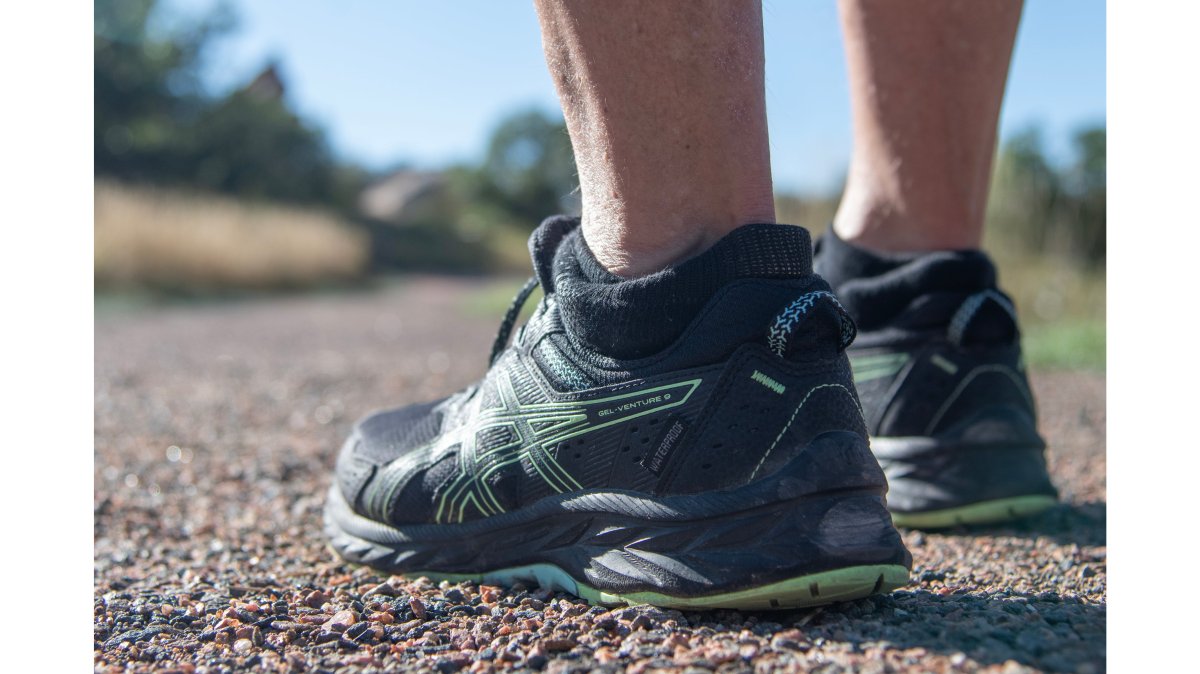
Debris shielding cuffs matter for hikers because they close the collar entry point with a physical barrier, keeping rocks, sand, and dirt out of your footwear before they reach your foot. A cuff blocks trail debris at the shoe collar, while a gaiter adds coverage up the lower leg for deeper scree, snow, and brush.
- Wear the cuff up on scree and loose rock, and tuck it in on packed trail.
- Lace snug at the top, since a loose collar lets grit funnel in with every step.
- Check the collar line, heel lock, and top edge before you lace up.
- A cuff handles surface grit and light scree but not rock deeper than the cuff height.
- On smooth, packed trail with no loose surface, a plain sock is enough.
Table of Contents
- Why Debris Shielding Cuffs Matter for Hikers
- How to Keep Rocks Out of Hiking Shoes
- Hiking Gaiters vs Sock Cuffs: Which Debris Barrier Fits Your Trail
- Hiking Sock Fit and Sizing: Getting the Barrier to Stay Put
- Low-Cut Hiking Socks for Trails: Balancing Coverage and Weight
- When Cuffs Are Not Enough: Trade-Offs and Limitations
- Shop RockResist Trail Socks for Your Next Hike
- Frequently Asked Questions
Why Debris Shielding Cuffs Matter for Hikers
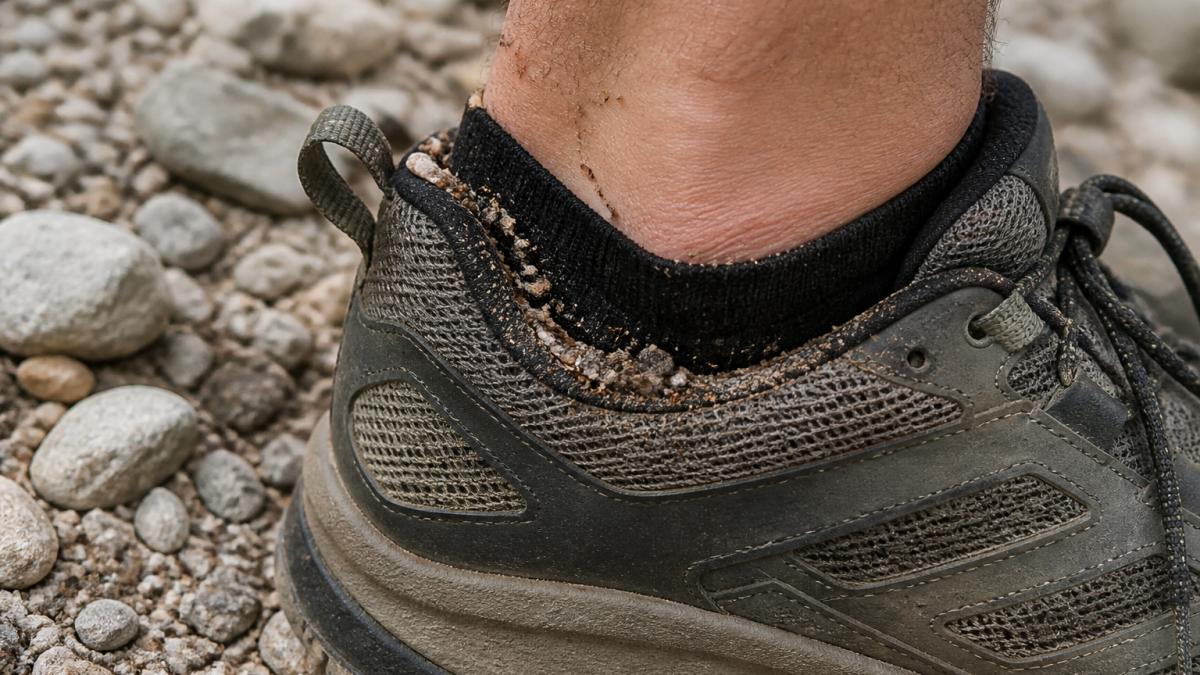
Every hiker who has stopped mid-trail to shake trail debris out of a shoe knows the problem. Grit works its way in at the collar, and once it's there, it grinds. Debris shielding cuffs matter because they close that entry point with a physical barrier, keeping rocks, sand, and dirt out of your footwear before they ever reach your foot.
The stakes are simple. A stone in your sock stops you, slows you, and changes how you plant your foot. That altered stride is where trouble starts on rough ground.
What Debris Shielding Cuffs Are and How They Work
A debris shielding cuff is a band of fabric built into the top of a sock that sits above the shoe collar and works as a physical barrier against debris entering the shoe.
Some designs let you wear the cuff two ways:
- Up: the barrier stands above the collar for loose terrain and scree.
- Tucked in: the cuff folds down for a lower profile on road or packed trail.
That flexibility is the point. You get coverage when the ground is loose and a clean look when it isn't.
How to Keep Rocks Out of Hiking Shoes
A practical fix for trail debris in your shoes is to block the collar before you start walking, since debris often enters at that gap. How to Stop Dirt Getting Inside Hiking Shoes walks through the full routine.
Here is a practical routine we recommend:
- Pick the right sock. Choose a sock with a built-in barrier or a fitted cuff at the collar.
- Set the cuff for the terrain. Wear it up on scree and loose rock, tuck it in on smooth ground.
- Lace snug at the top. A loose collar lets grit funnel in with every step.
- Check your gaiter or cuff seal. Any gap at the top edge is an open door.
- Empty and clean at breaks. Tip the shoe, tap the heel, and brush out grit before it works into the sock.
Hiking Gaiters vs Sock Cuffs: Which Debris Barrier Fits Your Trail
Sock cuffs suit many hikers on maintained trails, while gaiters suit deep scree, snow, and brush. The choice comes down to how much coverage you need and how much weight you'll carry.
| Feature | Sock Cuffs | Hiking Gaiters |
|---|---|---|
| Coverage | Ankle and collar | Ankle to lower leg |
| Weight | Built into the sock | Extra item to pack |
| Setup time | None, wear and go | Straps and attachments |
| Best for | Trail runs, packed paths, light scree | Deep scree, snow, heavy brush |
| Bulk | Minimal | Noticeable |
| Breathability | High | Lower |
A cuff is the lighter option. A gaiter is the heavier shield. Alternatives To Bulky Hiking Gaiters For Trail Runners covers lighter options before you decide. If you mostly run or hike packed trails with patches of loose rock, a cuff handles it. If you cross long stretches of deep scree or snow, a gaiter earns its weight.
Hiking Sock Fit and Sizing: Getting the Barrier to Stay Put
A barrier only works if it stays where you put it. For more practical tips, see Socks That Stay Up Hiking. A cuff that slips down exposes the collar, and debris can get in.
Measure before you buy
Trace your foot on a sheet of paper while standing, measure from the back of the heel to the tip of the longest toe, and compare that length to the manufacturer's size chart. Verify your size against the relevant manufacturer's guide before ordering.
Check the seal in three places
Once the sock is on, run a quick three-point check before you lace up:
- The collar line. The cuff should sit just above the shoe edge with no visible gap between fabric and shoe. If you can see skin or the shoe tongue through a slit, debris will find it.
- The heel lock. Press your thumb into the back of the heel. The sock should stay put without sliding down into the shoe. Slip here means the cuff will ride down within the first mile.
- The top edge. Run a finger around the top of the cuff. Any fold, roll, or loose flap is an open door on loose ground.
Fix a slipping cuff
If the barrier keeps sliding, work through these fixes in order:
RockResist GEN1 Trail Running Socks, Debris-Blocking Low Cut →
- Snug the laces at the top. A loose collar lets the sock migrate. Re-lace the top two eyelets so the shoe hugs the sock without pinching.
- Tuck or raise the cuff to match the terrain. Wear it up on scree and loose rock so the barrier stands above the collar; tuck it in on packed trail so there is less fabric to catch and pull.
- Check for bunching at the heel. Bunching pushes the sock forward and down. Smooth the heel flat before you lace up.
- Re-measure if it keeps happening. A cuff that slips every hike is usually the wrong size, not a bad sock.
RockResist GEN1 uses unisex sizing. Verify your size against the manufacturer's guide before ordering.
Low-Cut Hiking Socks for Trails: Balancing Coverage and Weight
Low-cut hiking socks for trails trade a little coverage for less weight. The key is getting the barrier without the bulk of a tall sock.
Low-cut socks with a built-in cuff give you debris protection at the collar in a shorter sock.
The RockResist GEN1 is a low-cut sock made from 75% cotton and 25% terylene, with added heel material to reduce friction at the collar. Its integrated barrier helps block dirt, sand, and small trail debris at the shoe collar, and you can wear the barrier up for loose ground or tuck it in for a lower-profile look.
When Cuffs Are Not Enough: Trade-Offs and Limitations
A cuff is not a complete solution. It blocks debris at the collar, but it does not seal your whole lower leg.
Where a cuff stops working
- Deep scree and talus. Once the loose rock is deeper than the cuff height, debris tumbles in from above the barrier. A cuff handles surface grit and light scree; it does not handle a field where rocks roll past your ankle.
- Snow and slush. A cuff will not keep snow out of a tall boot. Snow packs above the collar and melts into the sock, and the barrier has no answer for that.
- Dense brush. Thorns, sticks, and seed heads reach higher than the collar. A cuff protects the entry point, not the shin.
- Very loose fits. A slipping cuff defeats the purpose. Fit problems are a limitation, not a design flaw, fix the size before you blame the barrier.
The trade-offs nobody lists
Every barrier carries a cost, and the honest ones are worth naming:
- Heat. Any fabric at the collar traps warmth. On hot, exposed trails, a low-cut sock with a built-in cuff runs cooler than a tall gaiter, but it is still warmer than a plain short sock.
- Moisture. Cotton holds water, and a wet cuff at the collar can feel clammy on long climbs. Plan for it on humid days and carry a spare pair for multi-day trips.
- Weight and bulk. A cuff adds almost nothing; a gaiter adds a packed item and setup time. Match the barrier to the trip, not to the gear catalog.
- Restricted movement. A tight cuff can limit ankle flex on steep descents. If you feel pinching at the front of the ankle, the fit is wrong, not the concept.
Troubleshooting the barrier
- Abrasion at the collar. Friction between sock and shoe edge wears fabric over time. Rotate socks between hikes and inspect the collar line for thinning.
- Damaged fasteners on gaiters. Straps and hooks fail before fabric does. Carry a spare strap on long trips.
- Gaps that reappear. If the seal opens mid-hike, stop and re-check the collar line and laces. A two-minute fix beats a day of grit.
When cuffs are unnecessary
On smooth, packed trail with no loose surface, a plain sock is enough. A cuff earns its place when the ground is loose, the descent is steep, or the trail is dry and dusty. The honest take: match the barrier to the terrain. A cuff is the right call for most trail days. For the extremes, step up to a gaiter. If you want the full picture of debris protection options, read our ultimate guide to debris protection for trail runners and hikers.
Shop RockResist Trail Socks for Your Next Hike
The best barrier is the one you actually wear. If you're tired of stopping to shake grit out of your shoes, a sock with a built-in cuff is one option to consider.
RockResist GEN1 low-cut socks put a debris-blocking barrier right where grit gets in. Wear it up on loose ground, tuck it in on packed trail. The secure, non-slip construction helps keep the sock in place, and added heel material helps reduce friction at the collar. It's built for trail running, hiking, and outdoor training. Maintaining a clean interior environment remains a primary factor in preventing hiking blisters during extended days on the trail.
Ready to gear up? Shop RockResist Trail Socks to check current sizing and offers, or View RockResist Socks & Sizing before you order.

Frequently Asked Questions
How do debris-shielding sock cuffs keep dirt and sand out of shoes?
Debris shielding cuffs create a physical barrier at the shoe collar, the spot where grit, sand, and small rocks typically slip in. The integrated barrier sits above or tucks into the collar to close that gap. RockResist GEN1 socks use this design, with a barrier you can wear up for loose terrain or tuck in for a lower-profile look. Combined with a secure, non-slip fit, the cuff helps keep trail debris from working its way down into your shoe during high-movement activity.
Can a sock cuff replace hiking gaiters?
Not always. Gaiters cover more of the lower leg and are the better choice for deep scree, snow, or heavy brush. Sock cuffs are lighter and less bulky, which suits low-cut shoes and fast hikes where you mainly need to block grit at the collar. Many hikers use cuffs for everyday trail runs and save full gaiters for the roughest terrain. Match the barrier to your trail conditions rather than assuming one replaces the other.
How should hiking socks fit around the ankle?
The sock should sit snug at the ankle without bunching or sliding down. Check the manufacturer's size chart before ordering, since sizing varies by brand and unisex fit. RockResist GEN1 uses unisex sizing: S fits women's 7-9 and men's 5-7, M fits women's 10-12 and men's 8-10, and L fits women's 13-15 and men's 11-13. If you are between sizes, follow the sizing guide on the product page rather than guessing.
Are low-cut hiking socks suitable for rocky trails?
Low-cut socks work well on rocky trails when they have a debris-blocking barrier and a secure fit. The trade-off is less coverage than a tall sock or gaiter, so on very loose scree you may still want extra protection. For most day hikes and trail runs, a low-cut sock with an integrated cuff helps keep grit out. Choose based on how loose the terrain is and how much coverage you want.
The trail will always throw grit at your feet. The question is whether it gets in. Build your barrier before you start, fit it right, and match it to the ground you're crossing. Get started with RockResist and keep debris out of your shoes so you can stay focused on the miles ahead.
