
Last Updated: November 20, 2026
Quick Summary
Compression gear applies steady pressure to your legs, calves, or feet to reduce soreness, steady your legs, and keep muscles warm in cold air. Research best supports comfort and muscle feel during activity, then recovery support, with measurable performance gains last. It is a useful tool, not a magic one.
- Compression should feel firm and even, never painful, and should not leave deep grooves or numb spots.
- Cold and dry conditions call for a compression base layer plus a light shell for warmth and wind protection.
- Running rewards graduated compression and light fabric, while hiking rewards warmth and debris control.
- Skip compression gear if you have circulation problems, nerve conditions, or skin that reacts to tight fabric.
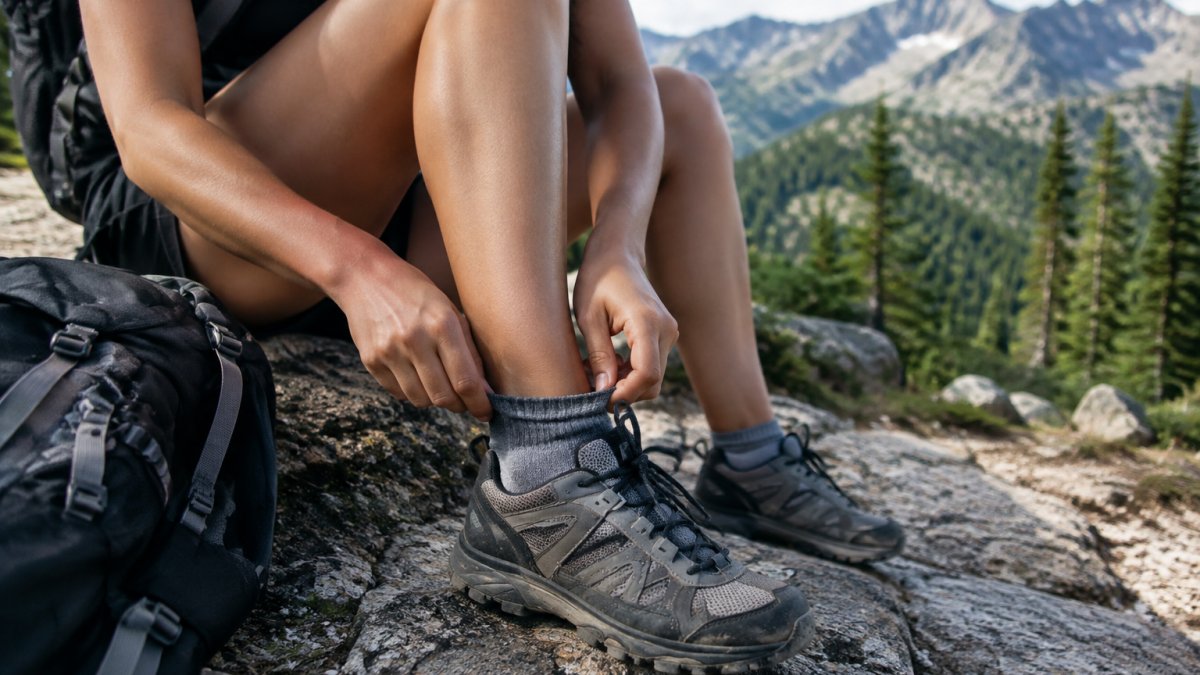
- A loose sock slides, and sliding fabric is friction, which is a common cause of blisters.
Table of Contents
- What Compression Gear Actually Does on the Trail
- The Benefits of Compression Clothing, Ranked by Evidence
- How Tight Should Compression Clothing Be?
- Compression Gear for Cold Weather and Changing Conditions
- How to Prevent Blisters Trail Running With Compression and Better Socks
- Activity by Activity: Running, Hiking, and Climbing
- When to Skip Compression Gear
- Build Your Layering System With RockResist
- Frequently Asked Questions
What Compression Gear Actually Does on the Trail
Compression gear fits tightly enough to apply steady pressure to your legs, calves, or feet during and after activity.
The honest version: compression gear is a useful tool, not a magic one.
That distinction matters because marketing for compression gear can be loud, and not every promise holds up.
American College of Sports Medicine position stands on exercise and recovery
The Benefits of Compression Clothing, Ranked by Evidence
Ranked from strongest to weakest, the benefits of compression clothing look like this: comfort and muscle feel during activity come first, recovery support second, and measurable performance gains last. That order surprises people. Most shoppers assume performance is the headline. It is not.
What the Research Supports
The clearest effects show up in how athletes perceive effort and muscle soreness. Some athletes report that compression garments can make their legs feel supported after long efforts.
Compression can also help keep layers in place.
- Muscle support and perceived stability during long efforts
- Reduced feelings of soreness reported by some athletes after hard work
- Warmth in cold weather without bulky layers
For a deeper look at what compression pants do specifically for endurance athletes, see our breakdown of the benefits of compression pants for endurance athletes.
What It Does Not Do
Compression gear does not make you faster on its own, replace training, sleep, or fuel, or guarantee a blister-free foot.
Compression and protection are different jobs. Compression manages pressure and support; protection from grit and debris depends on how a garment fits at the shoe collar.
RockResist GEN1 is a low-cut sock with an integrated barrier at the collar that helps block dirt, sand, and small trail debris, and the barrier can be worn up for loose terrain or tucked in for a lower profile.
How Tight Should Compression Clothing Be?
Compression clothing should feel firm and even, never painful, and should never leave deep grooves or numb spots.
A simple test before you commit:
- Pull the garment on and check for wrinkles or bunching. Both cause hot spots.
- Move through a squat, a lunge, and a short jog. Nothing should roll or slide.
- Press a finger under the top edge. It should be snug, not cutting.
- Wait ten minutes. Numbness, tingling, or throbbing means size up.
Fit generally matters more than compression level: a well-fitted moderate garment is often more comfortable than an aggressive one that bunches at the ankle. When in doubt, follow the manufacturer's size chart for the specific product rather than guessing.
Compression Gear for Cold Weather and Changing Conditions
Cold weather is where compression gear earns its keep most clearly: tight layers trap warmth against the muscle, cut wind at the skin, and let you drop a bulky outer layer without freezing.
The trick is managing change. A morning start at altitude can be cold enough for tights and sleeves. Two hours later, the same layers can feel like a sauna on a sun-exposed climb.
When compression helps with warmth
Compression helps most when the air is cold and the effort is steady. A tight base layer reduces the air gap between fabric and skin, limiting convective heat loss, and holds the layer in place so it does not ride up under a shell.
- Cold starts and descents: a compression base layer under a light shell adds warmth without bulk.
- Wind exposure: a tight layer cuts wind at the skin better than a loose one.
- Stops and transitions: compression socks are common after a hard effort when you are standing around and the legs cool quickly.
When compression adds unwanted heat
In warm, humid conditions, a tight layer that does not breathe well traps sweat against the skin. A garment that holds sweat will chill you the moment you stop moving, and on a sustained climb it can feel like a sauna suit.
- Hot, humid efforts: prioritize airflow over compression level; a looser, breathable layer often beats a tight one.
- Sun-exposed climbs: compression can help with sun protection on covered skin, but only if the fabric breathes; otherwise heat buildup outweighs the benefit.
- Humid descents: a sweat-soaked tight layer is worse than a dry moderate one; plan for a change or a dry layer at the top.
Sun protection and skin coverage
Compression garments cover more skin than shorts and short sleeves, which can help with sun exposure above tree line. The benefit depends on fabric and fit: a tight, breathable layer covers skin without flapping, while a heavy one can overheat. Coverage is no substitute for sunscreen on uncovered areas.
Build for removal, not for one fixed temperature
A practical approach is to build a system you can shed in stages, rather than a single outfit for one temperature:
- Start with a compression base layer you can roll down or shed. Sleeves and tights that roll down give you a mid-day option without a full change.
- Add a light shell for wind, not for warmth. The shell handles wind and precipitation; the compression layer handles warmth and support.
- Keep socks breathable so sweat does not pool inside the shoe. Moisture management matters more than compression level in the foot.
- Carry a dry pair for the drive home. A dry layer after the effort is where compression socks are most useful.
Watch out: the most common layering mistake is treating compression as a fixed layer. If you cannot shed or roll it down as the day warms, you will overheat on the climb and chill on the descent.
A quick weather decision rule
- Cold and dry: compression base layer plus light shell; warmth and wind protection are the priorities.
- Cold and wet: moisture handling first; a soaked tight layer loses most of its warmth benefit.
- Warm and dry: light, breathable compression for coverage and perceived support; watch for heat buildup on climbs.
RockResist GEN1 is a low-cut sock made from 75% cotton and 25% terylene. Its integrated barrier helps block dirt, sand, and small trail debris from entering at the shoe collar, and it can be worn up for loose terrain or tucked in for a lower-profile look. For current pricing, sizing, and offers, see View RockResist Socks & Sizing.
How to Prevent Blisters Trail Running With Compression and Better Socks
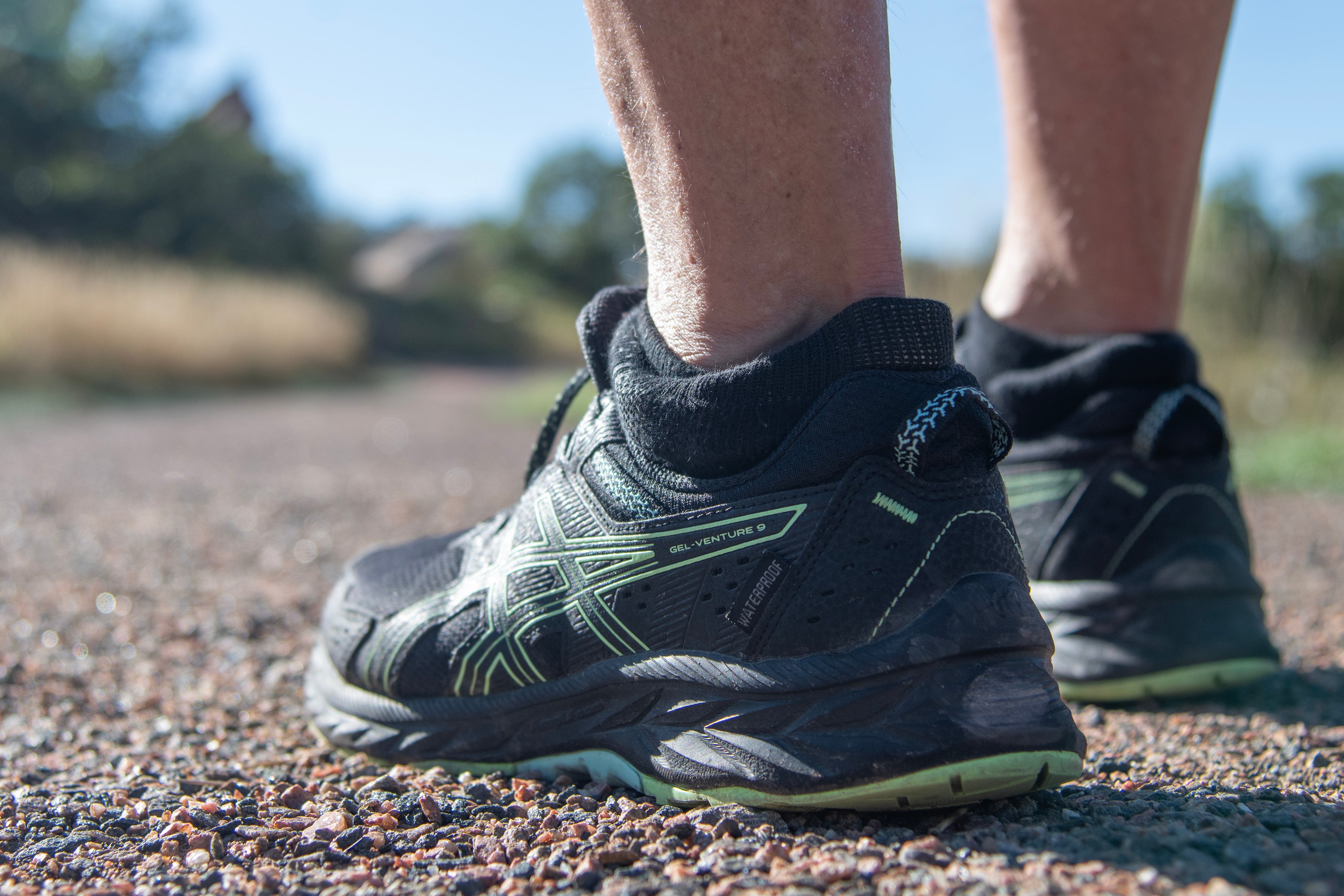
Blisters come from three things working together: friction, moisture, and grit. Compression helps with the first by holding fabric steady against the skin. Socks handle the other two.
For a full walkthrough of the topic, read our guide on how to prevent blisters trail running.
A practical routine:
- Choose a sock that manages moisture and seals at the collar
- Keep the fit snug so the sock cannot shift inside the shoe
- Shake out debris at every stop on loose ground
A common mistake is sizing up to avoid tightness. A loose sock slides, and sliding fabric is friction. Friction is a common cause of blisters.
Activity by Activity: Running, Hiking, and Climbing
Running rewards graduated compression and light fabric. Hiking rewards warmth and debris control. Climbing rewards durability and a low profile inside a tight shoe.
Running: short, repetitive impact
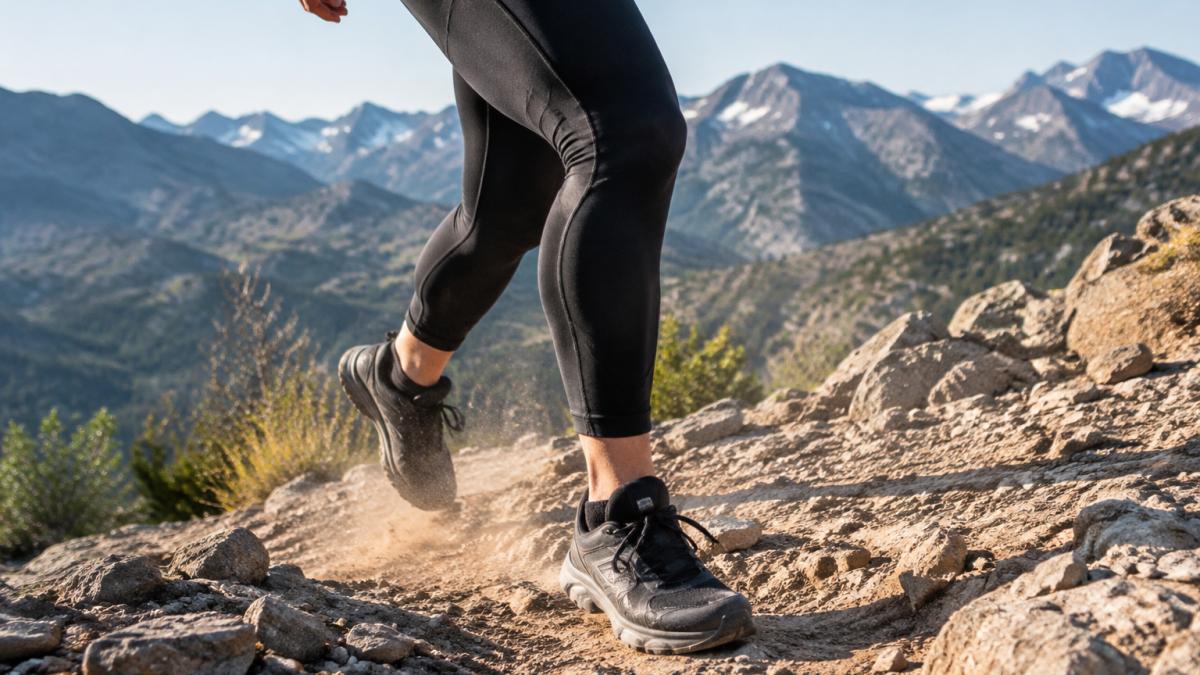
Running is a high-cadence, low-amplitude impact sport: the calf and thigh absorb thousands of small loads per hour, and the foot rotates repeatedly inside the shoe. Graduated compression sleeves and tights are the common pick because they apply firmer pressure at the ankle and lighter pressure higher up.
- Short runs (under an hour): a calf sleeve or light tight is usually enough; the main benefit is perceived support and warmth on cold starts.
- Long runs and tempo work: tights or sleeves help with muscle feel and reduce the sense of legs getting beaten up, which matters more as duration climbs.
- Technical descents: a sock that stays put at the collar reduces fabric shift inside the shoe, which is where hot spots start.
Watch out: sizing down for "more compression" is the most common running mistake. A garment that bunches at the ankle creates the friction it was supposed to prevent.
Hiking: long hours, grit, and changing load
Hiking is lower impact but far longer, often with a pack adding load to every step. Priorities shift toward moisture management, skin protection, and debris control, since long hours mean more sweat, more grit, and more chances for a hot spot to become a real problem.
- Day hikes: a breathable sock and light compression calf sleeve cover most needs; warmth matters more than aggressive pressure.
- Multi-hour and overnight trips: moisture handling and collar sealing become the deciding factors, because wet skin plus grit is the classic blister setup.
- Loose terrain (scree, sand, dust): a collar barrier worn up helps block dirt and small debris from entering at the shoe collar; tucking it in gives a lower profile on smoother ground.
A common pattern is that hikers over-invest in compression level and under-invest in fit at the collar. The collar is where debris enters and where fabric shift begins.
Cycling and fast-paced outdoor efforts
Cycling is a seated, high-repetition effort where the bike supports the leg rather than impact. Compression shorts and calf sleeves are common for perceived support on long rides, and the main trade-off is heat: a tight layer that does not breathe well becomes uncomfortable on sustained climbs.
- Long rides: light compression shorts or sleeves for muscle feel; breathability matters more than pressure.
- Hot conditions: prioritize airflow over compression level; a garment that traps sweat will chill you when you stop.
- Cold starts: a compression base layer under a shell adds warmth without bulk.
Climbing and mountaineering: abrasion and tight shoes
Climbing and mountaineering punish thin fabric. Sharp rock, crampons, and tight shoes wear through light garments fast, and a low profile inside the shoe matters more than compression level, durability and fit come first.
- Rock and alpine routes: choose abrasion-resistant fabric and a low-profile sock that will not bunch inside a tight shoe.
- Cold, wet conditions: warmth and moisture handling beat aggressive compression; a soaked tight layer is worse than a dry moderate one.
- Long approaches: the same hiking rules apply, with extra attention to debris control on loose ground.
If you climb and want to know whether compression socks help, our article on whether compression socks help climbers covers the specifics. We break that down in hiking vs running socks differences.
A quick decision rule
Match the garment to the dominant stress, not to the label:
- Impact-dominated (running): graduated sleeves or tights, light fabric, snug collar.
- Duration-dominated (hiking): breathable sock, collar sealing, moisture management.
- Heat-dominated (cycling, hot climbs): airflow first, compression second.
- Abrasion-dominated (climbing, alpine): durability and low profile first.
Most outdoor days combine two or three of these stresses, so pick the garment that handles the dominant one and accept a compromise on the others.
Each activity stresses the leg differently, so the garment that earns its place changes with the terrain.
| Activity | Dominant stress | Best pick | Watch out |
|---|---|---|---|
| Running | Short, repetitive impact | Graduated calf sleeves or tights, light fabric | Sizing down causes bunching and friction |
| Hiking | Long hours, grit, changing load | Breathable sock, light calf sleeve, collar sealing | Over-investing in compression, under-investing in collar fit |
| Cycling | Seated, high-repetition effort | Light compression shorts or calf sleeves | Tight non-breathable layers overheat on climbs |
| Climbing and mountaineering | Abrasion and tight shoes | Abrasion-resistant fabric, low-profile sock | Thin fabric wears through fast on sharp rock |
When to Skip Compression Gear
Skip compression gear if you have circulation problems, nerve conditions, or skin that reacts to tight fabric, and talk to a clinician before wearing it. That is the first thing to check, not a small caveat.
Warning signs to stop immediately:
- Numbness, tingling, or a pins-and-needles feeling
- Skin turning pale, blue, or cold below the garment
- Deep grooves that do not fade within minutes of removal
Compression is not for everyone, and no product should be worn through symptoms. If something feels wrong, take it off.
Build Your Layering System With RockResist
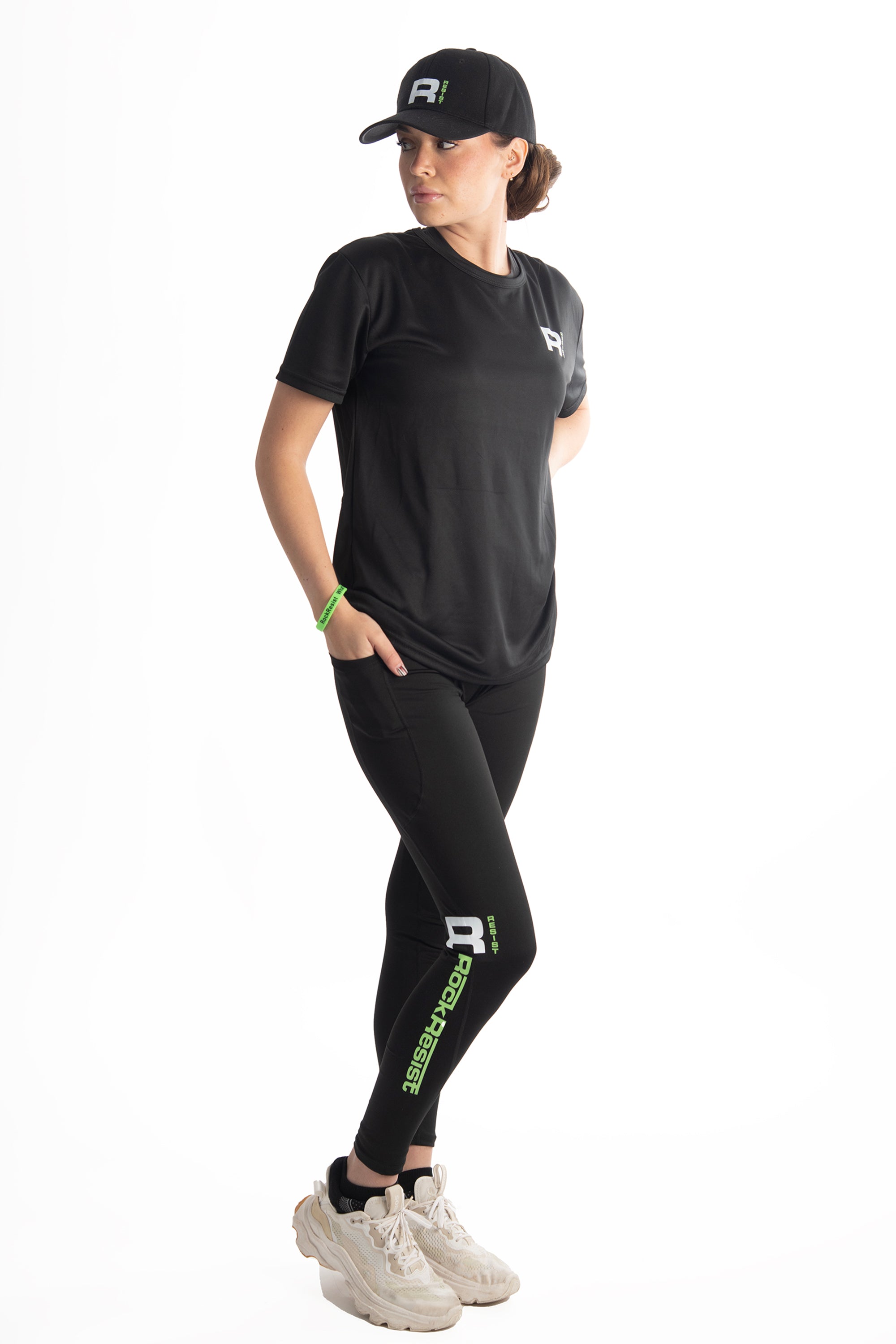
RockResist GEN1 is a low-cut sock made from 75% cotton and 25% terylene.
Pair it with compression pants for muscle support on cold starts and long descents. For current pricing, sizing, and offers, see RockResist Trail Socks.
Most gear fails at the details: the collar, the seam, the fit. Build the system around those details and the rest gets easier.
Get the base layer right and the rest of your kit has a chance.
Frequently Asked Questions
What are the benefits of wearing compression gear during outdoor activities?
Compression gear is often worn for muscle support, warmth in cold weather, and a snug layer that stays in place. Some athletes report less perceived soreness in the days after a hard effort, though research results on soreness and recovery are mixed. Treat compression as one part of a system that includes fit, sock choice, and foot care rather than a standalone performance boost.
How tight should compression clothing be for hiking and running?
Snug enough to stay in place without leaving deep marks, numbness, or tingling. You should be able to slide a finger under the hem, and nothing should roll or bunch when you squat or climb. Graduated compression is tightest at the ankle and looser higher up. If a garment feels restrictive at rest, it is too tight for a long day out. Test new gear on a short session before a race or a multi-hour hike.
Can compression gear help prevent blisters on trail runs?
Compression alone does not prevent blisters. Blisters come from friction, moisture, and debris moving against the skin. A snug layer can reduce fabric shift, and a barrier at the shoe collar can help keep sand and grit out. Proper sock fit also matters. RockResist GEN1 socks use an integrated barrier at the collar that can be worn up on loose terrain or tucked in for a lower profile. View RockResist Socks & Sizing for fit details.
When should you avoid wearing compression gear?
Skip it if you have poor circulation, uncontrolled blood pressure, or a history of blood clots, and check with a clinician first if you are unsure. Do not wear compression over broken skin, an active infection, or a swollen limb without medical advice. Stop and remove the garment if you feel numbness, tingling, cold patches, or increasing pain. Compression is not a substitute for treating an injury, and it should never be worn so tight that it restricts movement.
